
Last updated September 20, 2026
Full 25-point door and opener safety check with every visit - springs, cables, rollers, tracks, and your LiftMaster or Chamberlain opener included
You get a price before we start. It does not change when the truck arrives.
 Before
 After
After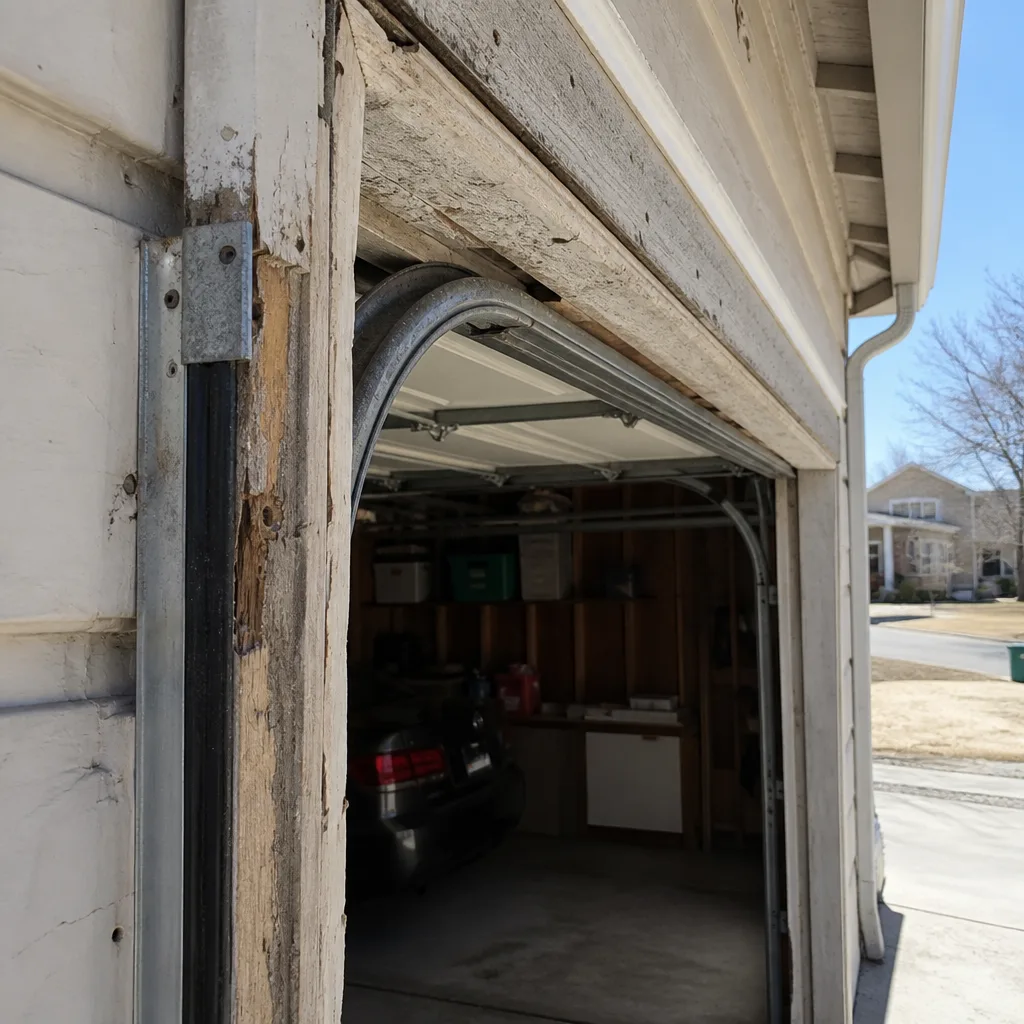 Before
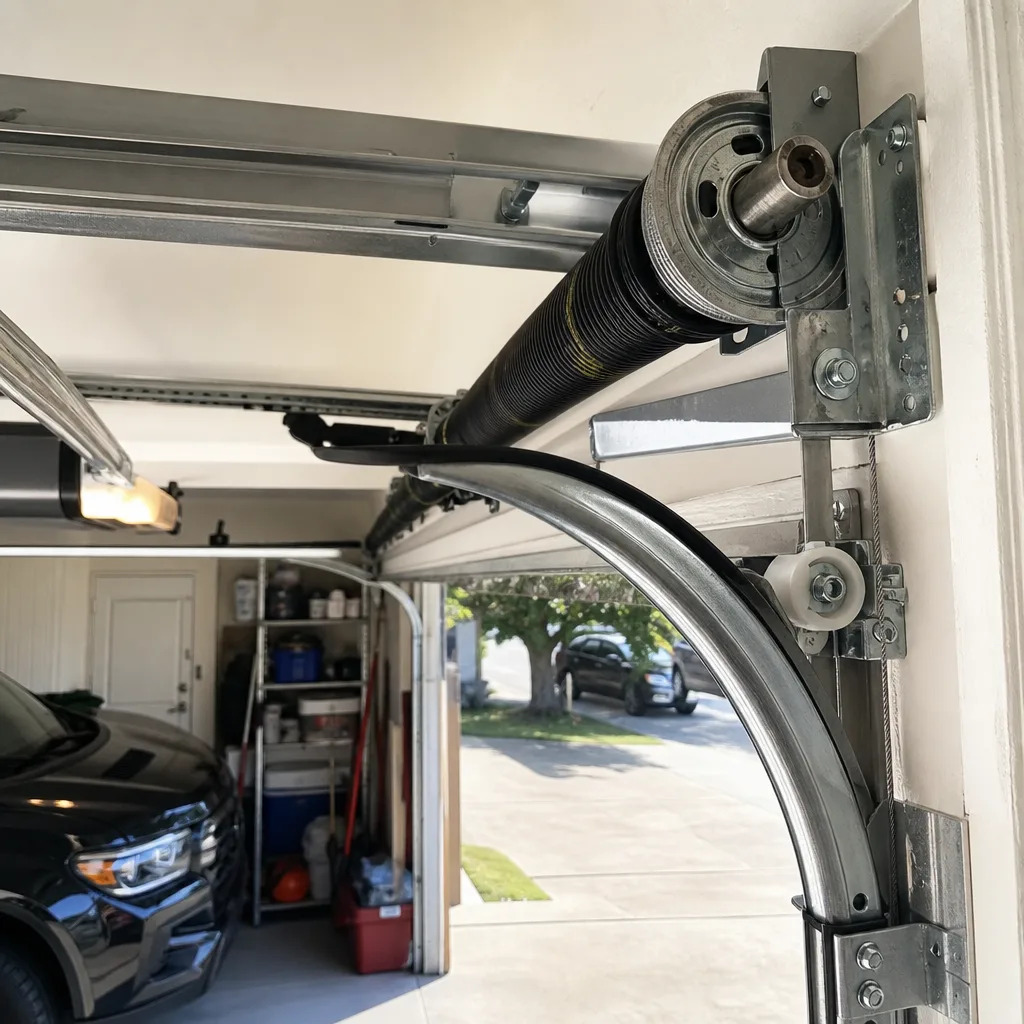 After
After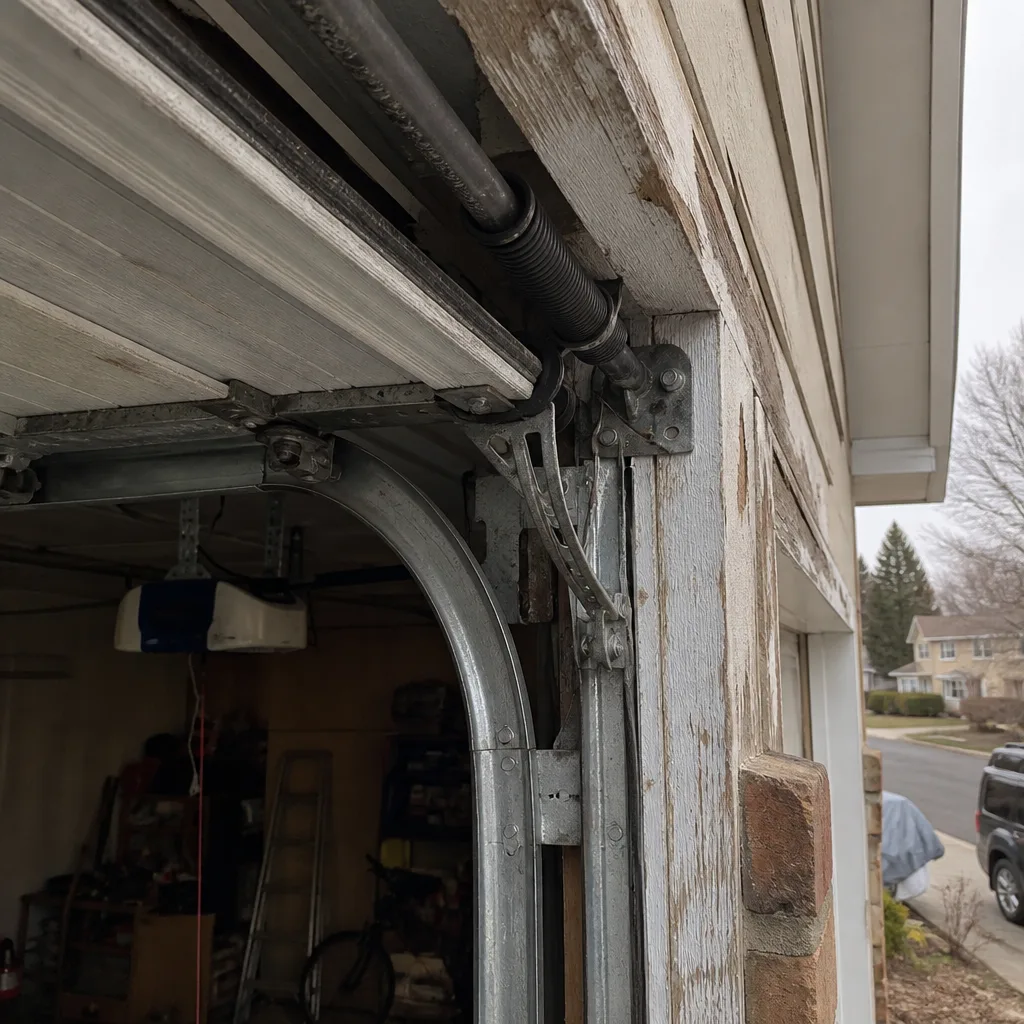 Before
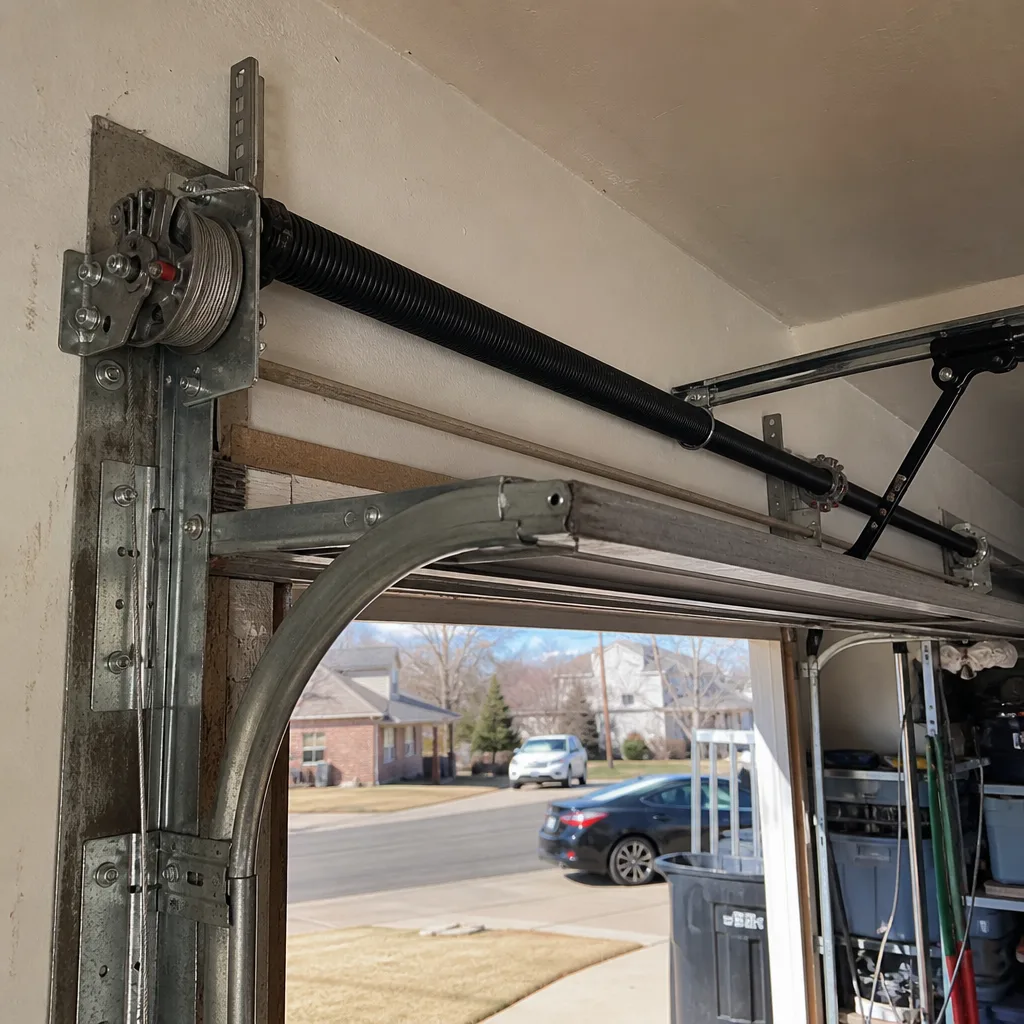 After
AfterGarage Door Warning Signs: A Thornton Homeowner’s Reference Guide
Most garage door failures announce themselves weeks before they happen. The problem is that homeowners sort warning signs by sound or symptom instead of by the component producing them, so a worn roller bearing and a failing drive gear both get filed under “the door is noisy.” That filing error is expensive. This guide-along with The Complete Guide to Garage Door in Thornton-maps each warning sign in a Thornton garage to the specific part causing it, explains the repair window, and tells you which signs are safe to watch for 30 days and which two signs mean you should switch the door to manual mode and stop using the opener today. We’ve been repairing garage doors in Thornton since 2015, and we’ve seen every sign in this guide dozens of times. Most of them were fixable for a few hundred dollars because someone caught them early.
Quick Answer
A garage door that hesitates, grinds, shakes, sags, or reverses without reason is usually signaling a specific worn component, not “old age.” The most common warning signs in Thornton are broken or rusted torsion springs (visible gap in the coil), frayed cables (steel strands peeling near the bottom bracket), worn roller bearings (grinding sound at the track), a failing opener drive gear (grinding at the motor head), and a door that fails the balance test (it drifts down when released at half height). The repair cost for most of these falls between $120 and $380 when caught early, and the two signs that demand immediate attention are a visible gap in a torsion spring coil and a frayed cable with more than a few broken strands.
Table of Contents
- Symptom-to-Component Mapping: What Each Sound Actually Means
- Safe to Monitor vs. Same-Week Service: The 30-Day Test
- The Two Signs That Mean Imminent Spring or Cable Failure
- How to Document a Warning Sign Before Calling a Technician
- Cosmetic Warning Signs That Carry No Structural Risk
- How Thornton’s Climate Accelerates Garage Door Wear
- Brand-Specific Warning Signs: LiftMaster, Genie, and Chamberlain
- What You Can Check Safely and What You Should Never Touch
BeforeAfterSymptom-to-Component Mapping: What Each Sound Actually Means
A garage door makes maybe six distinct sounds, and each one traces back to a different part. The fastest way to misdiagnose a problem is to describe the noise to yourself as “a grinding sound” and then search for that phrase. The second fastest way is to describe it to a technician the same way. Here is the mapping we use on every diagnostic call in the Thornton area. It has saved our customers real money because it gets the right part replaced the first time.
Grinding or metal-on-metal scraping at the track
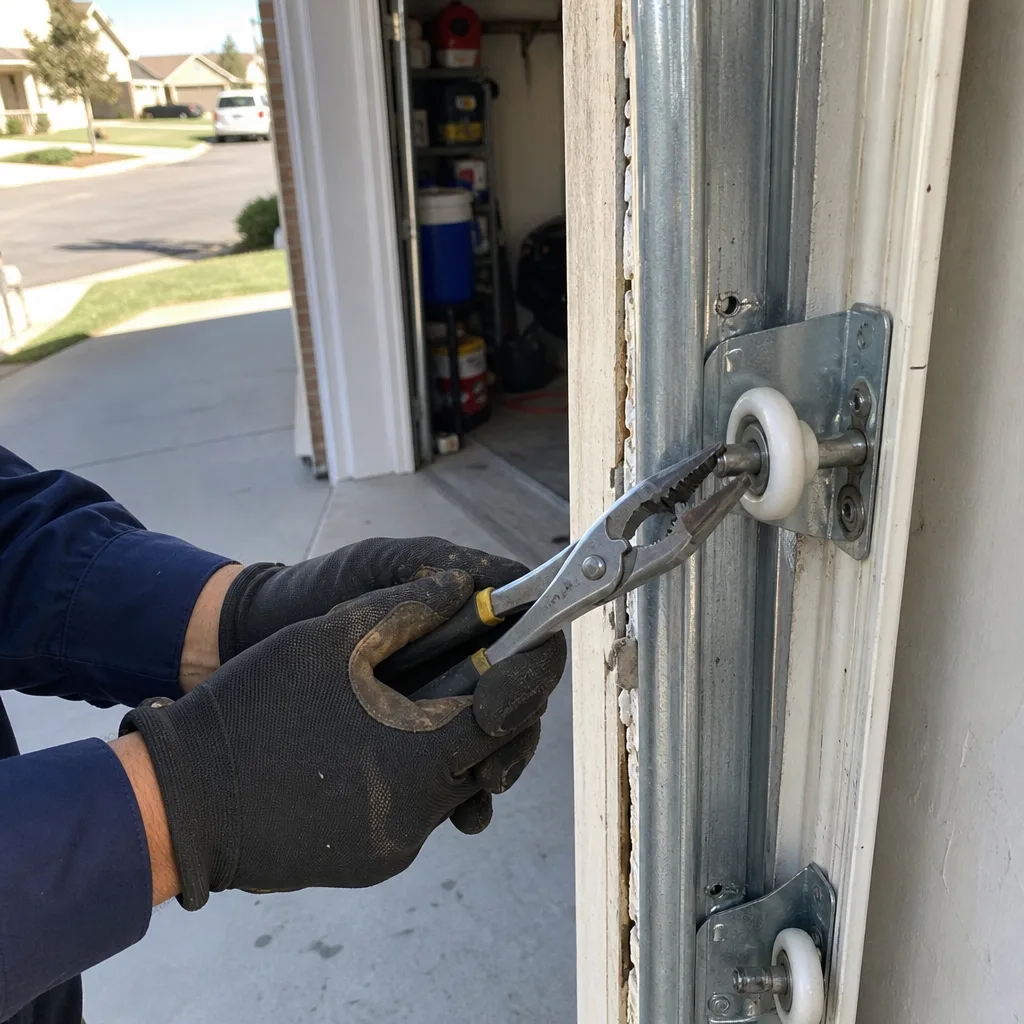
This is almost always a roller bearing that has seized or worn out. Garage door rollers are small steel or nylon wheels that ride inside the track on either side of the door. Each roller has a bearing inside it. When that bearing fails, the roller stops spinning and starts sliding, which produces a grinding sound and leaves metal dust on the track. Replacing a set of rollers in Thornton typically runs $120 to $180. If the grinding is at the track, it is not the opener motor, and changing the motor will not fix it.
Grinding or buzzing at the motor head
This is the opener’s drive gear, and it is common on chain-drive LiftMaster and Chamberlain units. The drive gear is a white or gray plastic gear inside the motor housing that transmits power to the chain or belt. When the gear wears down, the motor spins but the door moves slowly or not at all, accompanied by a grinding buzz from the unit. This repair usually costs $140 to $220 and takes about an hour. In our experience serving Thornton homes, we replace more drive gears on units older than eight years than any other single opener component.
Hesitation before the door moves
A door that pauses for one to three seconds after you press the button is usually telling you one of two things. Either the motor capacitor is weakening, which means the opener can’t produce full torque instantly, or the door itself is out of balance and the opener is straining to lift more weight than it should. The way to tell them apart is the balance test described later in this guide. A capacitor repair runs $90 to $140. A door out of balance usually means a spring adjustment or replacement at $180 to $340. Two different parts, two different prices, one superficially identical symptom.
Shaking or shuddering as the door moves
Shaking is usually a door that is slightly out of balance, a bent track, or loose hardware. The opener is applying uneven force, and the door responds by vibrating. In Thornton, seasonal temperature swings expand and contract the metal hardware, and we see loose track bolts regularly on doors more than 12 years old. Tightening and aligning the track is often under $100. If the shaking continues after hardware is tightened, the spring has likely lost tension and needs adjustment or replacement.
Unusual quiet, then a slam
If a section of the door’s travel is suddenly quieter than it used to be, and then there is a thump or slam at the bottom, the spring may have already broken or is about to. A torsion spring balances the weight of the door, and when it fails, the door becomes dramatically heavier. The opener sometimes can’t detect the change and continues pulling, producing a fast, silent drop and a hard stop. If you hear this, stop using the opener and test the door in manual mode.
Creaking or popping
Creaking is usually dry hinges, dry roller bearings, or dry torsion spring coils. A silicone-based garage door lubricant costs about $12 and solves most creaking in 10 minutes. This is the only warning sign in this guide that the homeowner can and should address without a service call. We recommend lubricating hinges, rollers, and springs twice a year in Thornton, once in late spring and once in late fall, as covered in our Seasonal Garage Door Care for Thornton: Year-Round Homeowner’s Guide.
Safe to Monitor vs. Same-Week Service: The 30-Day Test
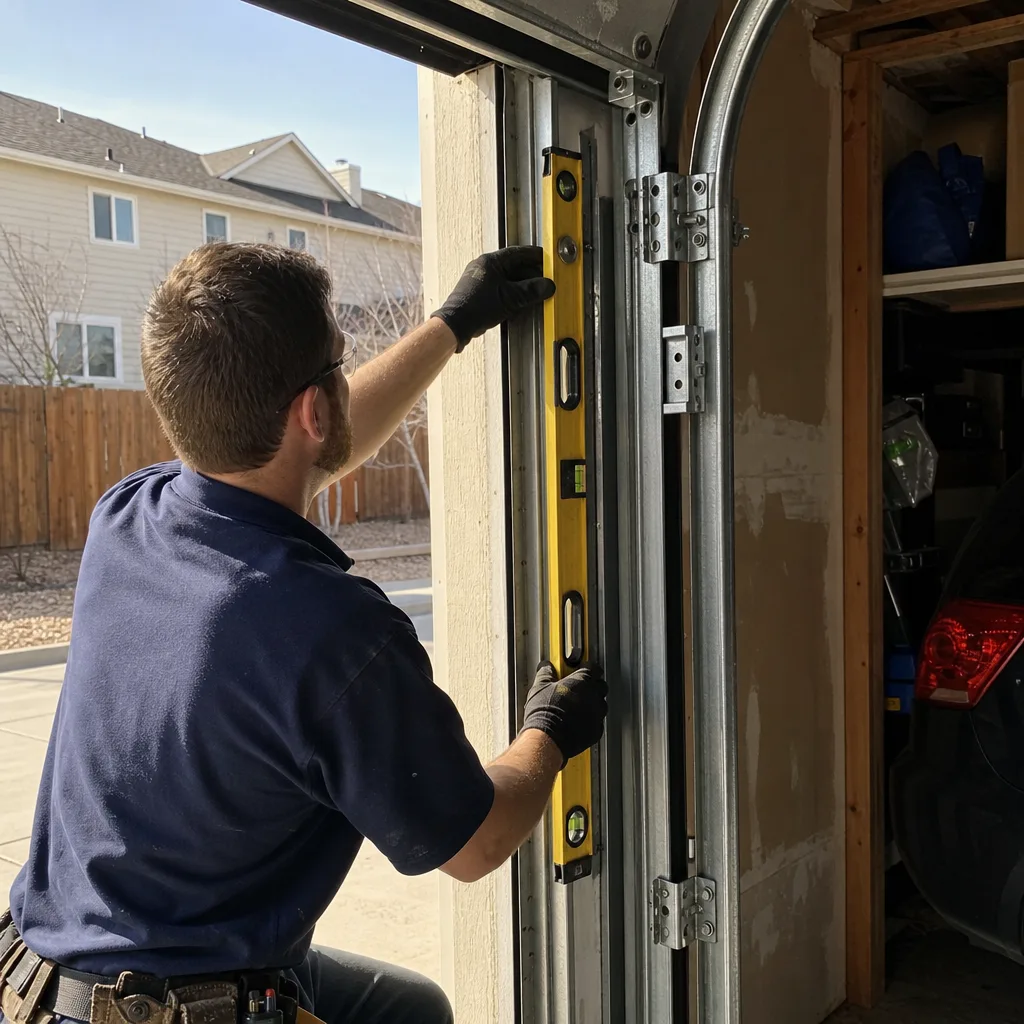
Not every warning sign needs a technician that week. Some signs are genuinely safe to watch for 30 days, and knowing the difference prevents both unnecessary panic and unnecessary service calls. Here is the framework we use when a Thornton homeowner calls us and describes a symptom over the phone.
Safe to monitor for 30 days
- A creak or squeak that responds to lubrication. If you spray the hinges and rollers with silicone lubricant and the noise goes away, there is no functional problem. Monitor monthly.
- Slight cosmetic rust on the door face or hardware. Surface rust on bolts, hinges, or the bottom bracket is unsightly but not structurally meaningful in the short term. Treat it with a wire brush and rust converter when convenient.
- A door that is one to two inches off the ground on one side at the bottom seal. This can be a settling issue or minor track misalignment. If the door still opens and closes without scraping, schedule service within 30 days. If the gap grows, call sooner.
- A remote that works intermittently. This is almost always the remote battery, the wall button, or interference from LED bulbs near the opener. Replace the battery first. Only if the wall button works reliably and remotes don’t is the opener logic board suspect.
Requires same-week service
- Any grinding noise at the motor head. Drive gears don’t heal. They get worse, and when they fail completely, the opener either stops working or damages the chain assembly.
- A door that fails the balance test. If you release the door at half height and it drifts down more than a foot or rises on its own, the spring is worn or broken. Operating the door in this condition overloads the opener and accelerates gear wear.
- One or two broken strands visible on a cable. This is the earliest externally visible sign of cable wear. Cables hold several hundred pounds of tension. A few broken strands today can be a snapped cable and a door slamming down in two weeks.
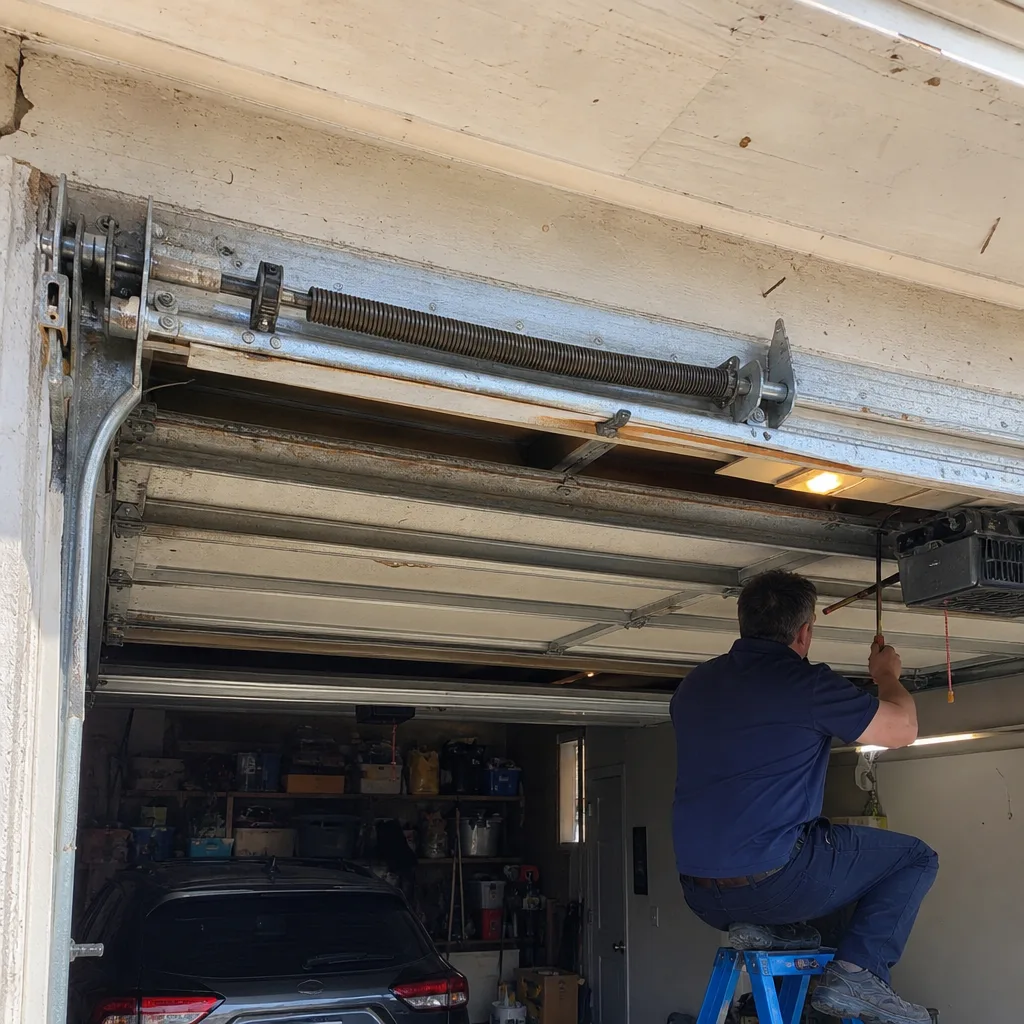
- A gap in the torsion spring coil. A torsion spring is the coil mounted on a metal shaft above the door opening. If you can see through a gap in the coil, the spring is broken. This is not a monitor-it situation. See the next section.
The Two Signs That Mean Imminent Spring or Cable Failure
Two warning signs matter more than all the others combined. Both indicate that a high-tension component has already partially failed or is about to, and both demand that you stop using the automatic opener immediately.
Sign One: A visible gap in the torsion spring coil
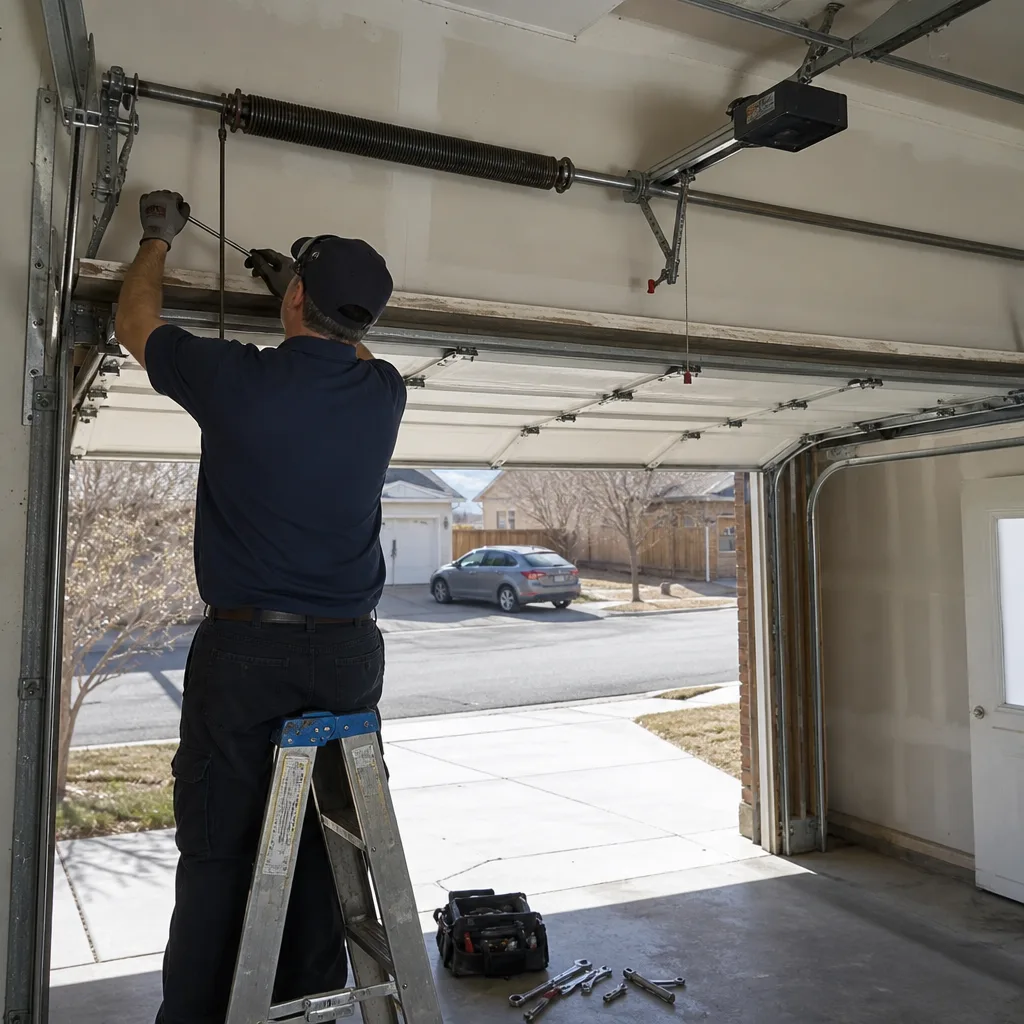
The torsion spring is a heavy coil mounted horizontally above the inside of the garage door. Under normal conditions, the coil is continuous from end to end. When the spring breaks, the coil separates at the break point, leaving a visible gap of one to three inches. This is not a subtle sign. You can see it from six feet away.
A broken torsion spring means the door has lost its counterbalance. The door now weighs its full weight, typically 150 to 250 pounds for a standard double door in Thornton. If you attempt to lift or lower the door with the opener now, you will strip the drive gear, stretch or snap the cables, or damage the door panels. We have also seen springs break while a car was halfway in. The result is a door coming down hard.
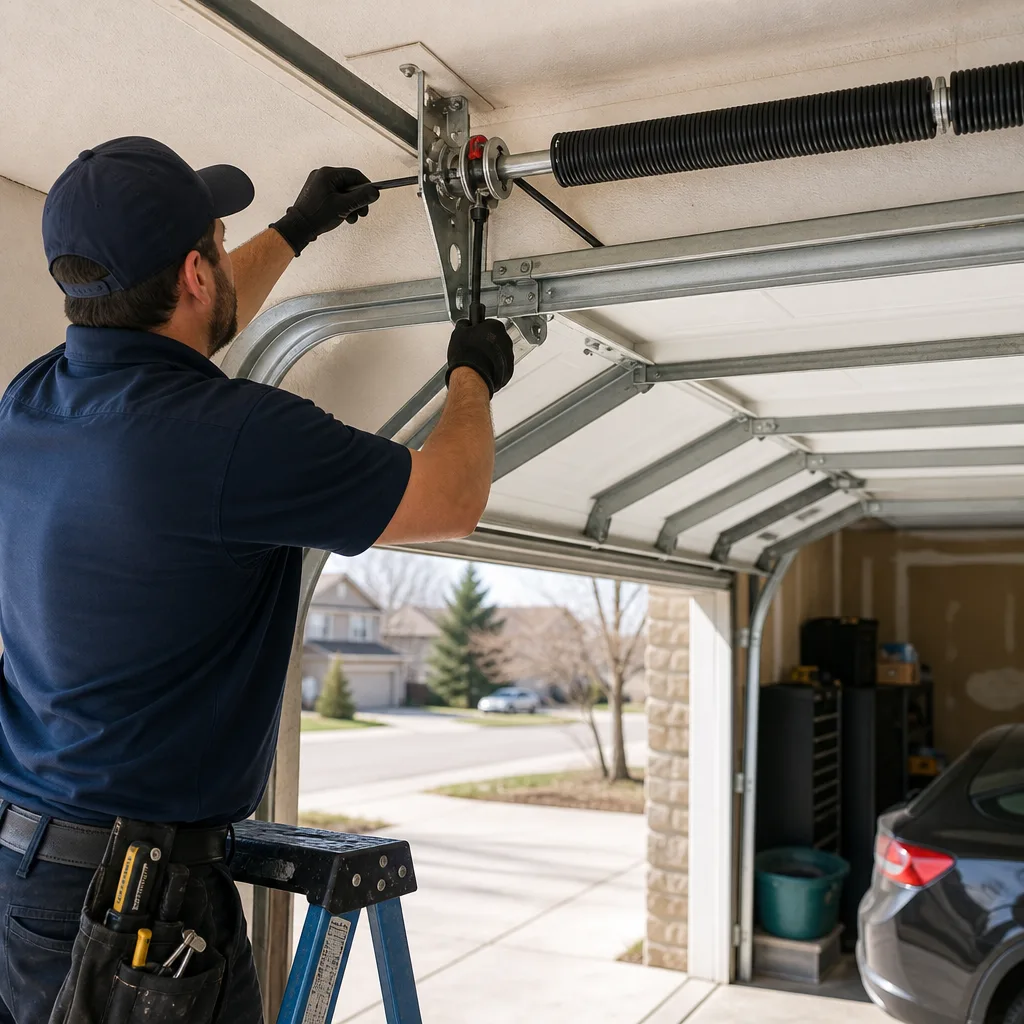
What to do: Pull the red emergency release cord to disconnect the opener from the door. Leave the door in manual mode. Do not attempt to lift the door with the spring broken unless you have at least two strong adults and you understand that a 200-pound door with no spring assistance is dangerous to lower. Call for spring replacement. In Thornton, torsion spring replacement for a double door typically runs $280 to $380 including the spring and labor, and most companies including our garage door repair service in Thornton can do it the same day. Our technicians always photograph the broken spring before quoting, per Clause 4 of The Haven Standard.
Sign Two: Frayed cable strands visible near the bottom bracket
The lifting cables are steel cables that run from the bottom bracket on each side of the door up to the spring assembly or the drum above. They are under massive tension. When individual strands begin to break, you’ll see them peeling away from the main cable near the bottom of the door, usually right where the cable attaches to the bracket. Left unrepaired, the remaining strands snap in sequence, and when the cable lets go, the door drops or slams sideways in the track.
What to do: Same as above. Disconnect the opener, leave the door in manual mode, and call a professional. Do not, under any circumstances, touch the cable, try to re-wrap it, or attempt to clamp it. A cable under partial tension that catches a finger or a sleeve can cause severe injury. Cable replacement in Thornton typically runs $140 to $220 per side, and the repair is straightforward once the tension is safely released from the spring.
How to Document a Warning Sign Before Calling a Technician
You can shorten a diagnostic visit and reduce the labor you pay for by documenting the symptom before you call. This is especially useful when the sound is intermittent and won’t reproduce reliably on a service visit. We ask every Thornton customer who calls with a noise complaint to do these four things. They take five minutes.
- Video the door during a full cycle. Stand to the side, not under the door, and record the door opening and closing while capturing both the door and the motor head in frame. A 20-second video tells us more than a ten-minute verbal description.
- Photograph the components. Take clear photos of the torsion spring above the door, the cables on both sides, the rollers at the track, and the bottom seal. Natural daylight with the garage door open produces the best images.
- Note when the symptom occurs. Is it worse in the morning? Only when the door is cold? Certain sounds in a Thornton garage are temperature-dependent. Metal contracts in cold weather and expands in heat. A door that only grinds on cold winter mornings is often a roller bearing with insufficient lubrication, not a failing motor.
- Run the balance test and record the result. Pull the red release cord with the door closed. Lift the door to half height by hand. Release it. A balanced door stays roughly in place. If it drifts down more than a foot, note that. If it rises, note that too. Both results tell a technician which spring to inspect first. Reconnect the opener by pressing the wall button or pulling the release cord again.
One additional note on documentation: when someone from Servo Garage Doors Thornton arrives for a repair, you receive a photo record of everything found and everything done before we leave. That’s not an upsell. It’s the documentation system we’ve used since 2015, and it means you can verify what was replaced and why.
Cosmetic Warning Signs That Carry No Structural Risk
Some things look like warning signs but aren’t. Here are the four we’re most often asked about in Thornton, usually by homeowners who just bought the house and are doing a close inspection, or by sellers preparing for a home inspection.
Paint cracks and peeling on wood doors
Wood garage doors in Thornton crack and peel because the climate is dry and the sun is intense. The panels expand in the summer heat and contract in the winter cold, and paint eventually fails. If the wood underneath is solid and the door operates smoothly, paint failure is cosmetic. Repainting costs $300 to $700 and protects the door from rot, but the door is not structurally compromised if you delay it for a season.
Small gaps between panels
Sectional garage doors have gaps between sections by design, usually sealed with a rubber or vinyl weather strip on the back of each section. If you see daylight through a small gap at the section joints, the weather strip is worn or missing, not the panel structure. Replacing the weather strip is $80 to $150 and improves insulation. It does not affect door function.
Warping or slight bow in older steel doors
A steel door that bows slightly in the center is often a 25-gauge door that has absorbed years of Thornton temperature swings. If the bow is consistent and the door still balances and travels without scraping, the issue is cosmetic. Some bowing is normal on darker-painted doors that absorb more sun. If the bow is new, sudden, or accompanied by scraping or an uneven gap at the seal, that’s track alignment or spring tension, and it’s worth a service call.
Rust streaks from panel screws
Small rust streaks running down from screw heads on the door face are oxidation from the screw hardware, not the panel. Replace the screws with galvanized versions for about $15 in parts, clean the streaks with a mild cleaner, and the door will look years younger. This is not a structural issue.
How Thornton’s Climate Accelerates Garage Door Wear
Thornton sits at 5,351 feet of elevation with dry air, 245 days of sunshine per year, and winter lows that routinely hit the teens. Those three conditions affect specific garage door components in specific ways, and knowing which components they affect helps you predict what will fail next.
Dry air dries out lubrication faster than humid climates do. Hinges, roller bearings, and springs that would stay lubricated for a year in a coastal climate dry out in six to eight months at Thornton’s elevation. This is the single most common cause of the creaking and popping sounds we hear on service calls. The fix is a $12 can of silicone spray applied twice a year. In our experience, homes that follow a twice-yearly lubrication schedule see meaningfully fewer roller replacements.
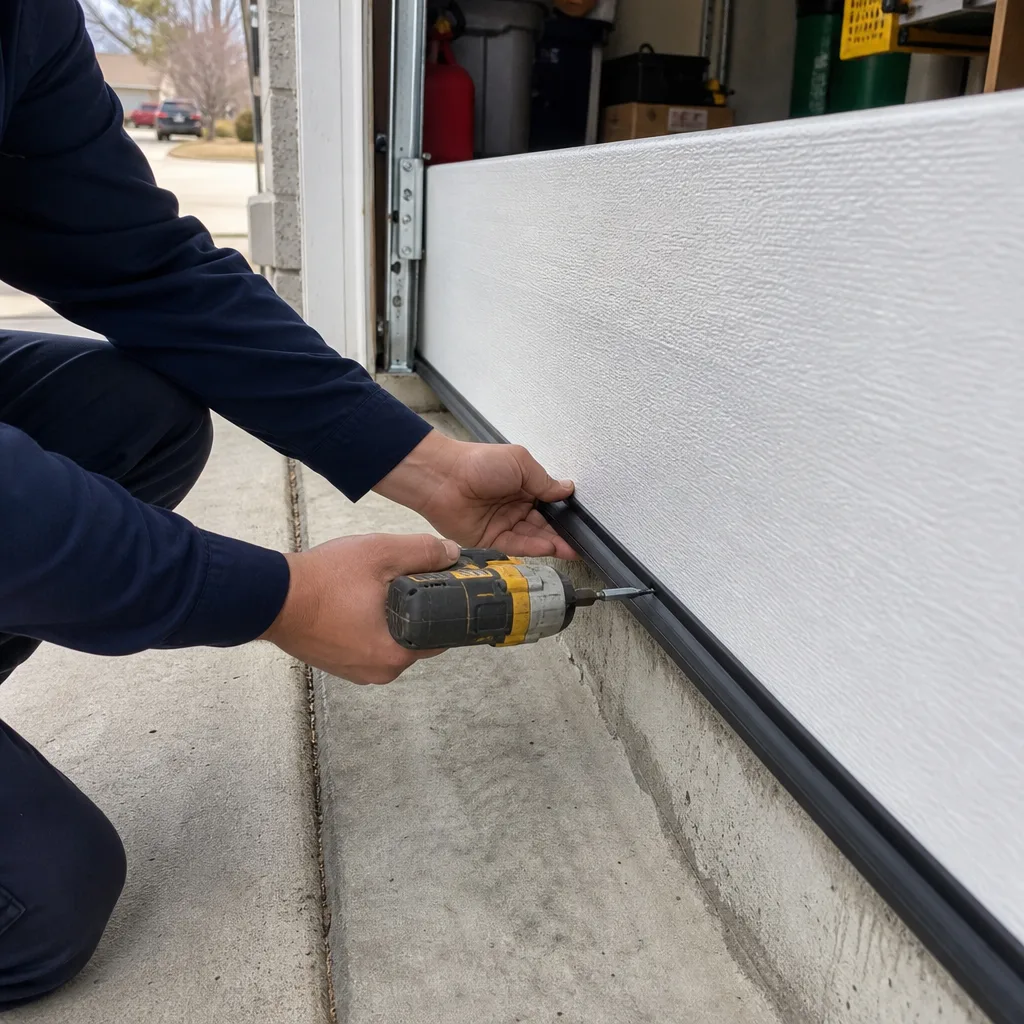
Intense sun degrades exterior weather seals and nylon components. The bottom seal on a Thornton garage door faces direct afternoon sun for most of the year. UV exposure hardens the rubber until it cracks and loses its seal. A cracked bottom seal lets in cold air, dust, insects, and, in the spring, the occasional mouse. Bottom seal replacement runs $70 to $120 and takes under an hour. We tell Thornton homeowners to inspect the bottom seal every spring when the snow melts and the temperature swings start.
Winter cold stresses torsion springs. Steel torsion springs contract in cold weather and expand in heat. Over thousands of cycles, that repeated expansion and contraction fatigues the metal. The spring eventually breaks, almost always at the point of greatest stress. A standard torsion spring is rated for 10,000 cycles, which equates to roughly seven to ten years of use for most Thornton households that open the door three to four times per day. If your springs are approaching that age and you’re hearing creaking, schedule an inspection.
Brand-Specific Warning Signs: LiftMaster, Genie, and Chamberlain
Certain opener brands fail in predictable ways, and if you know which brand is mounted on your ceiling, you can often guess the failure before a technician arrives. Here is what we see on three of the most common brands in Thornton garages.
LiftMaster and Chamberlain
These two brands share the same parent company and much of the same drive architecture. The most common warning sign on LiftMaster and Chamberlain chain-drive openers made between 2010 and 2020 is a worn drive gear, which presents as a grinding noise at the motor head combined with slower door travel. The second most common is a failing logic board on Security+ 2.0 models, which shows up as a wall button that works intermittently while remotes work fine, or vice versa. Logic board replacement runs $160 to $260. Drive gear replacement runs $140 to $220.
Genie
Genie openers, especially the screw-drive models common in homes built in the 1990s and early 2000s, tend to fail at the rail carriage. The carriage is the plastic or metal piece that rides along the screw and connects to the door arm. When it wears, the door shudders or stalls partway through travel. On older Genie units, a weak capacitor also causes that two-second hesitation before the door moves. Carriage replacement runs $120 to $180. Capacitor replacement is $90 to $140.
Regardless of brand, the diagnostic process is the same: documented, photographed, and quoted before any work starts. If you’re in Thornton and the opener is making a sound you can’t identify, a garage door opener repair in Thornton starts with identifying the sound against the symptoms in the mapping table above, not with selling you a new opener.
What You Can Check Safely and What You Should Never Touch
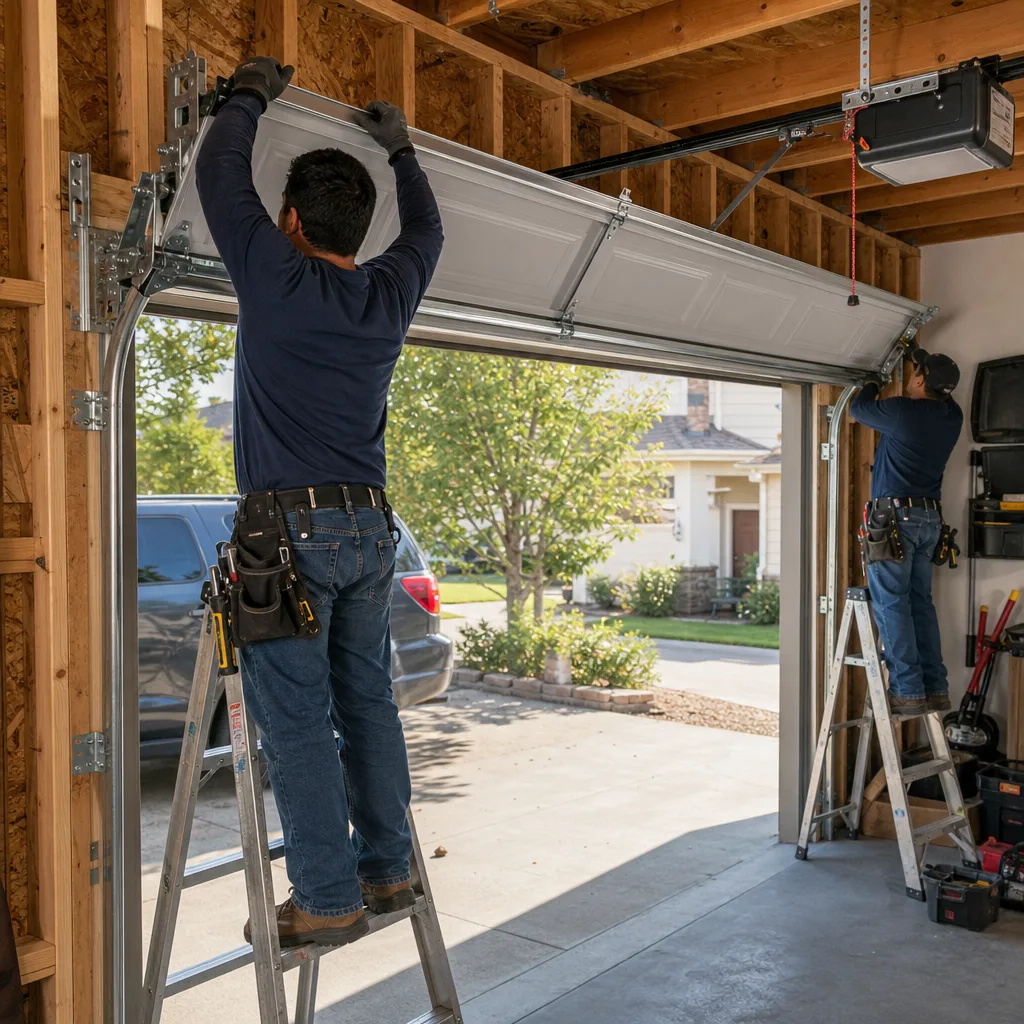
Garage doors are one of the few household systems that can genuinely injure someone who misunderstands which parts are safe to work on. Torsion springs and lifting cables are under enough tension to cause severe injury or death if they release unexpectedly. Here is the boundary we draw for every Thornton customer, and we’d rather be blunt about it than polite.
Safe to do yourself
- Lubricate moving parts. Apply silicone spray to hinges, roller bearings, and spring coils. Never use WD-40. It is a solvent, not a lubricant, and it will strip the grease from roller bearings.
- Check and replace the bottom seal. This is a slide-out rubber strip that requires no disassembly of tensioned components.
- Test the safety reversal system. Place a 2×4 flat on the ground under the door and close it. The door should reverse within two seconds of contacting the wood. If it doesn’t, stop using the opener and schedule same-week service. This is a safety system, and a failed one is not optional to repair.
- Replace remote batteries and check the wall button. If the wall button works and the remote doesn’t, the remote battery is the first suspect, followed by the remote’s pairing state.
- Run the balance test described above. This tells you whether the spring is doing its job without requiring you to touch the spring.
Never touch these yourself
- Torsion springs and their mounting hardware. The steel rod and winding cones store enough energy to break a hand or worse. Even technicians use specialized winding bars and follow a strict procedure. If an online video suggests you can replace a torsion spring yourself, close the video.
- Lifting cables. The cables connect to the bottom of the door and wrap around drums above. If a cable is frayed, do not touch it. The remaining strands may snap while you’re inspecting it.
- Track bolts on a door under spring tension. Loosening the wrong bolt while the spring is tensioned can shift the track and cause the door to bind or derail. If a track needs alignment, release the spring tension first, and only a technician should do that.
If you’re unsure which category a task falls into, the answer is usually the second one. And if the task is one you’d rather hand off entirely, our technicians handle everything from a garage door installation in Thornton to a spring replacement, with the same written-quote-before-work rule applied on every visit.
Common Mistakes to Avoid
- Ignoring a grinding noise for more than a month. A worn drive gear costs $140 to $220 to replace. Waiting until the gear shreds completely can damage the chain assembly or the motor shaft, doubling the repair cost. We see this sequence regularly in Thornton homes where the door is used four or more times daily.
- Using grease or WD-40 on nylon rollers. Grease attracts dust and grime, which accelerates bearing wear, and WD-40 strips existing lubrication. Use silicone spray only. If the rollers are more than ten years old and rough, replace them instead of lubricating them.
- Assuming a noisy door just needs “tightening.” Tightening random bolts on a door under spring tension can knock the track out of alignment and create a binding problem that didn’t exist before. Diagnose the sound first, then act.
- Continuing to use the opener after a cable snaps on one side. A door with one broken cable and one intact cable will pull itself crooked in the track, bending the track and sometimes the panels. Disconnect the opener immediately and leave the door down until a technician arrives.
- Replacing the opener when the spring breaks. A broken spring makes the door too heavy to lift, which makes the opener strain and stall. The fix is the spring, not the opener. Replacing the opener first leaves the broken spring in place, and the new opener will fail the same way. In Thornton, spring replacement is one-third to half the cost of a new opener.
- Ignoring the safety reversal test result. The photo-eye sensors on the bottom of the track can be knocked out of alignment by a broom, a bike, or a child’s toy. A door that closes on a person or pet because the reversal system failed is not a repair conversation. It’s a liability. Test it monthly.
- Treating every warning sign as an emergency. A creak that disappears after lubrication is not a five-alarm fire. Paying a diagnostic fee for a problem you could have solved with a $12 can of lubricant is exactly the opposite of what this guide is for. Learn to distinguish the sounds, check the mapping table, and act accordingly.
When to Call a Professional
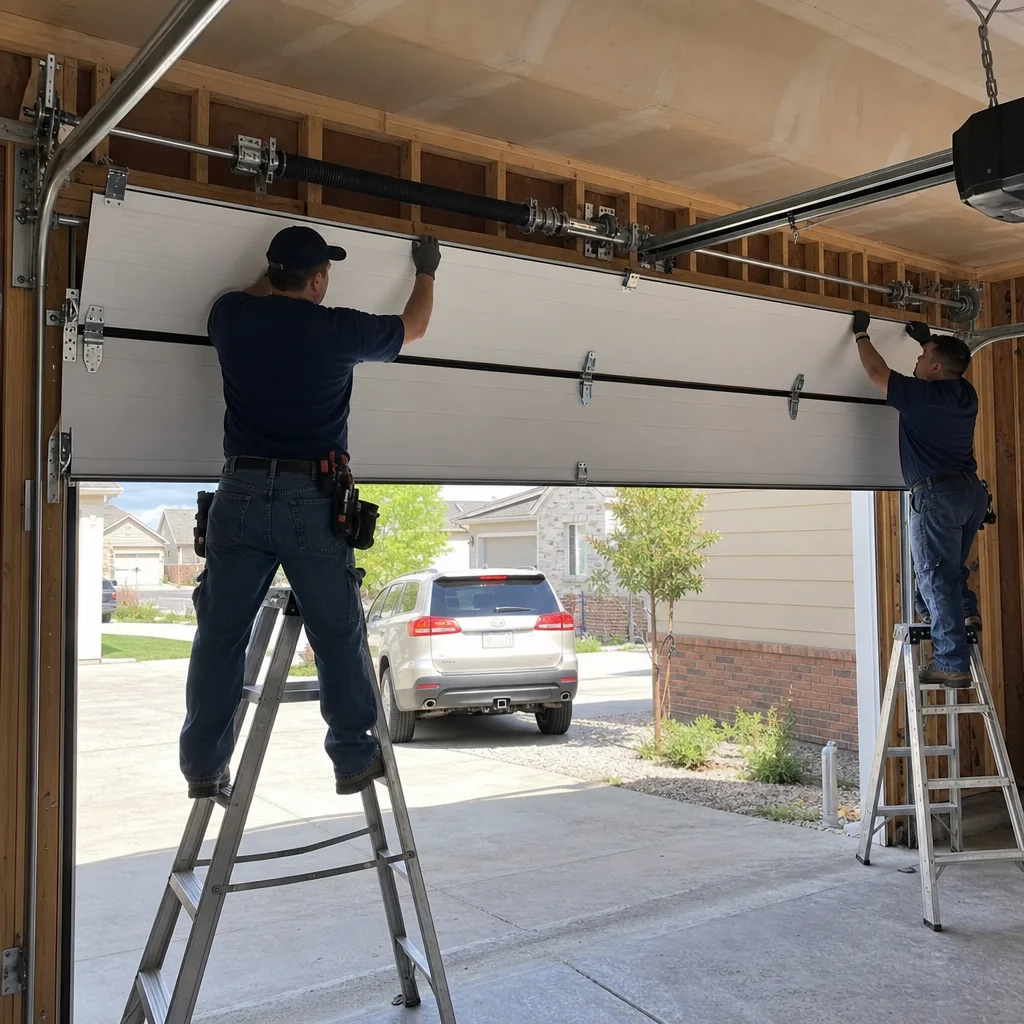
Call a professional when the warning sign involves any tensioned component: a torsion spring with a visible gap, a cable with broken strands, a door that fails the balance test, or a door that slams at the bottom of its travel. If you’re unsure who to trust, read How to Hire a Garage Door Contractor in Thornton: A Step-by-Step Guide. These are not conditions to watch and wait out. The cost of catching a broken spring before it damages the opener or the door panels is a $180 to $380 repair. The cost of waiting is usually a spring replacement plus a drive gear or cable, or a door section that needs replacing. Servo Garage Doors Thornton offers free estimates in Thornton, and our technicians arrive with the parts stocked on the truck for the most common failures. Call (720) 575-1024 if you’ve identified any of the warning signs in this guide and want a documented quote, not a guess.
Frequently Asked Questions
Torsion spring replacement for a standard double door in Thornton typically costs between $280 and $380, including the spring and labor. Single-door springs run $180 to $260. The price is quoted and agreed in writing before any work starts. Call (720) 575-1024 for an exact quote. Estimates are free, and the price on the written quote is the price you pay.
For urgent failures like broken springs, snapped cables, or a door stuck open, same-day service is usually available in Thornton. Emergency calls are answered 24 hours a day by a real person, not an automated system, and we’ll text you the technician’s name before they arrive. Call (720) 575-1024 and describe the symptom using the mapping table above.
No. Our flat, written price and written scope are delivered before any work starts, per Clause 1 of The Haven Standard. That means you approve a specific number and a specific list of work. If the technician finds something else while working, we stop and quote the additional work before touching it. This has been our operating rule since 2015.
Yes. Our trucks are stocked with torsion springs, extension springs, lifting cables, rollers, hinges, bottom seals, drive gears, logic boards, and photo-eye sensors for all major brands. The most common repairs are completed in a single visit. For unusual parts, we order and return, still under the same written quote.
We service all eight major brands, including LiftMaster, Chamberlain, Genie, and Clopay. The brand-specific warning signs section above covers the most common failure patterns we see on LiftMaster, Genie, and Chamberlain openers in Thornton. Parts are sourced from the manufacturer or equivalent aftermarket suppliers, and we’ll tell you which is which on the written quote.
A creak that responds to silicone lubrication and a small cosmetic paint crack are safe to watch for 30 days. Anything involving the torsion spring, lifting cables, or safety reversal system is not. The two signs that demand immediate action are a visible gap in the torsion spring coil and frayed cable strands near the bottom bracket. Both mean a month of continued use is genuinely risky.
The Bottom Line
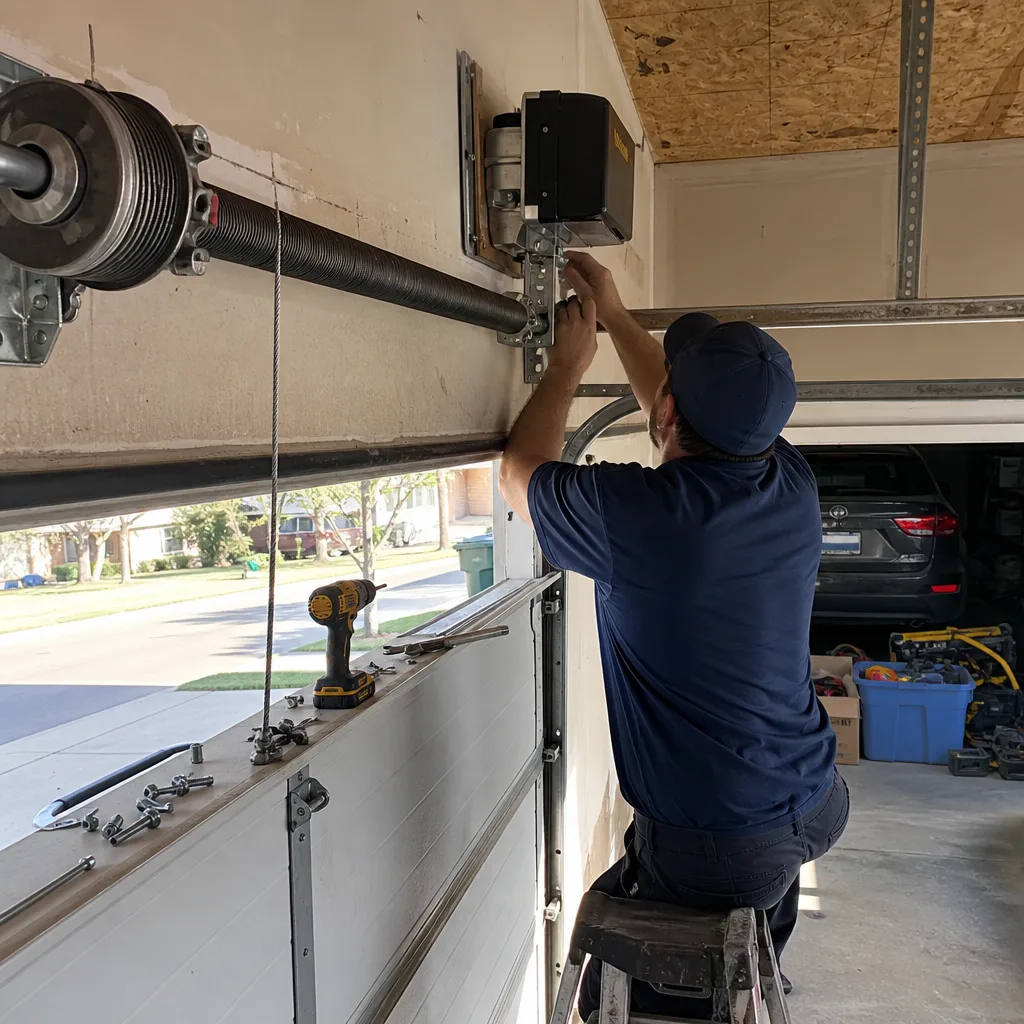
Most garage door warning signs in Thornton are early, observable, and cheap to fix when they’re caught at the right stage. The difference between a $140 roller replacement and a $400 door repair is usually whether someone knew that grinding at the track is not the same thing as grinding at the motor head. Learn the mapping table. Run the balance test twice a year. Lubricate in spring and fall. Document what you hear before calling. And when the sign involves a spring or a cable, stop using the door and make the call. The number is (720) 575-1024. We answer, we quote in writing, and we photograph everything we do. For more guides & resources, visit our blog.
Written by Marcus Deller, Owner at Servo Garage Doors Thornton, serving Thornton since 2015.