
Last updated September 20, 2026
Full 25-point door and opener safety check with every visit - springs, cables, rollers, tracks, and your LiftMaster or Chamberlain opener included
You get a price before we start. It does not change when the truck arrives.
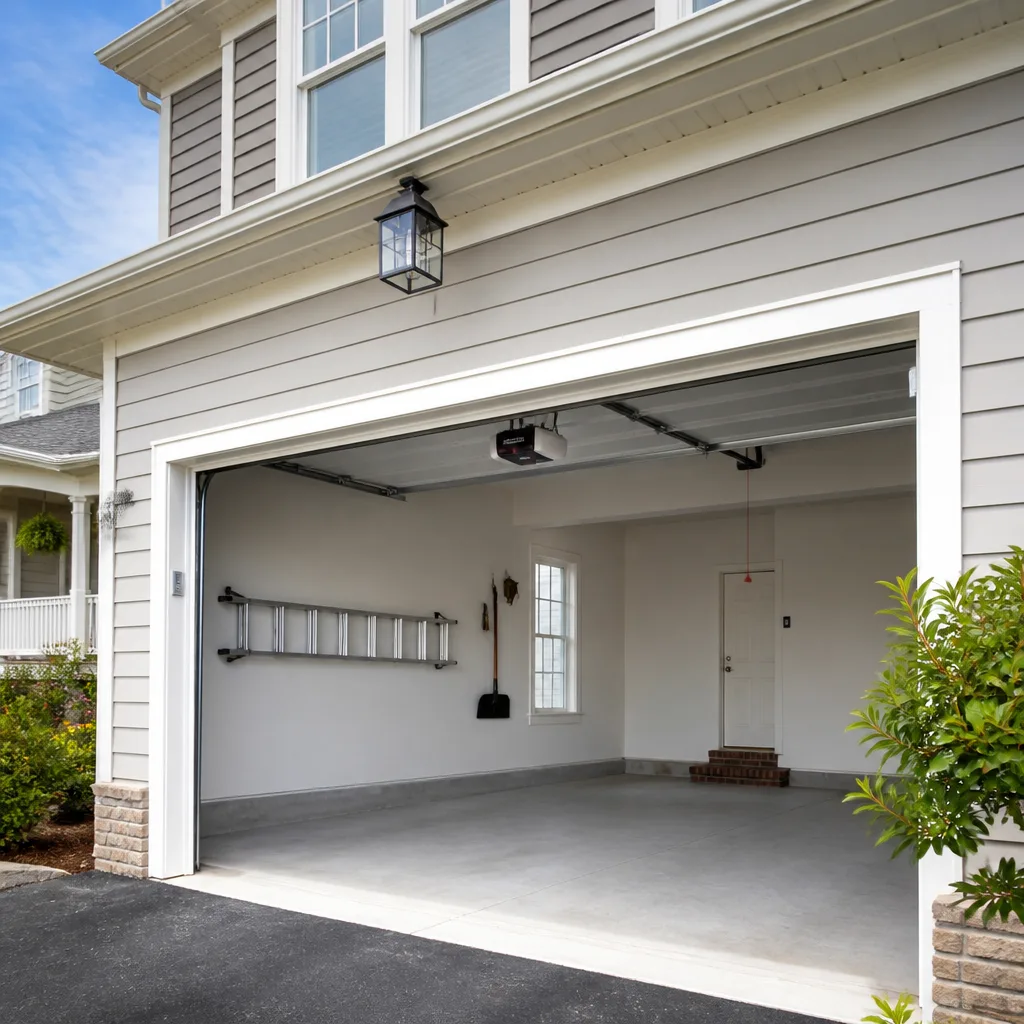
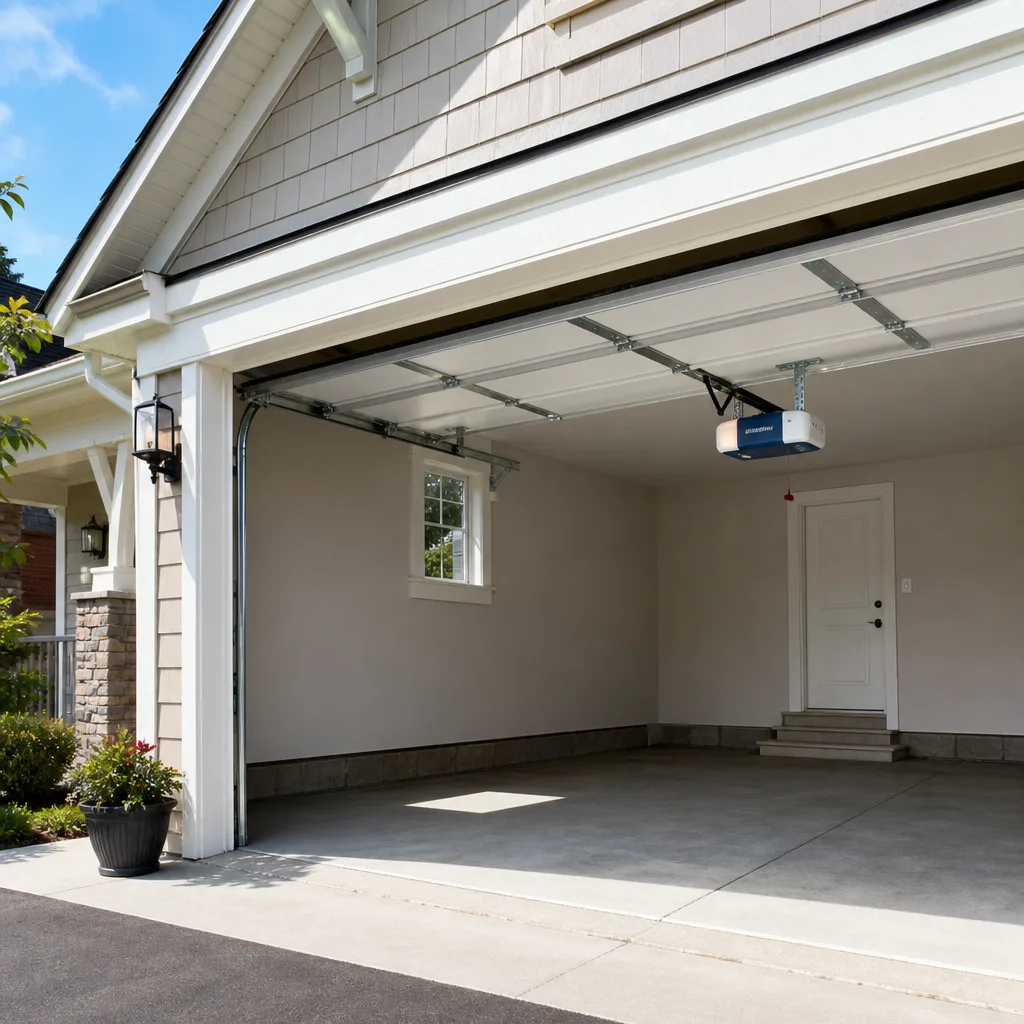
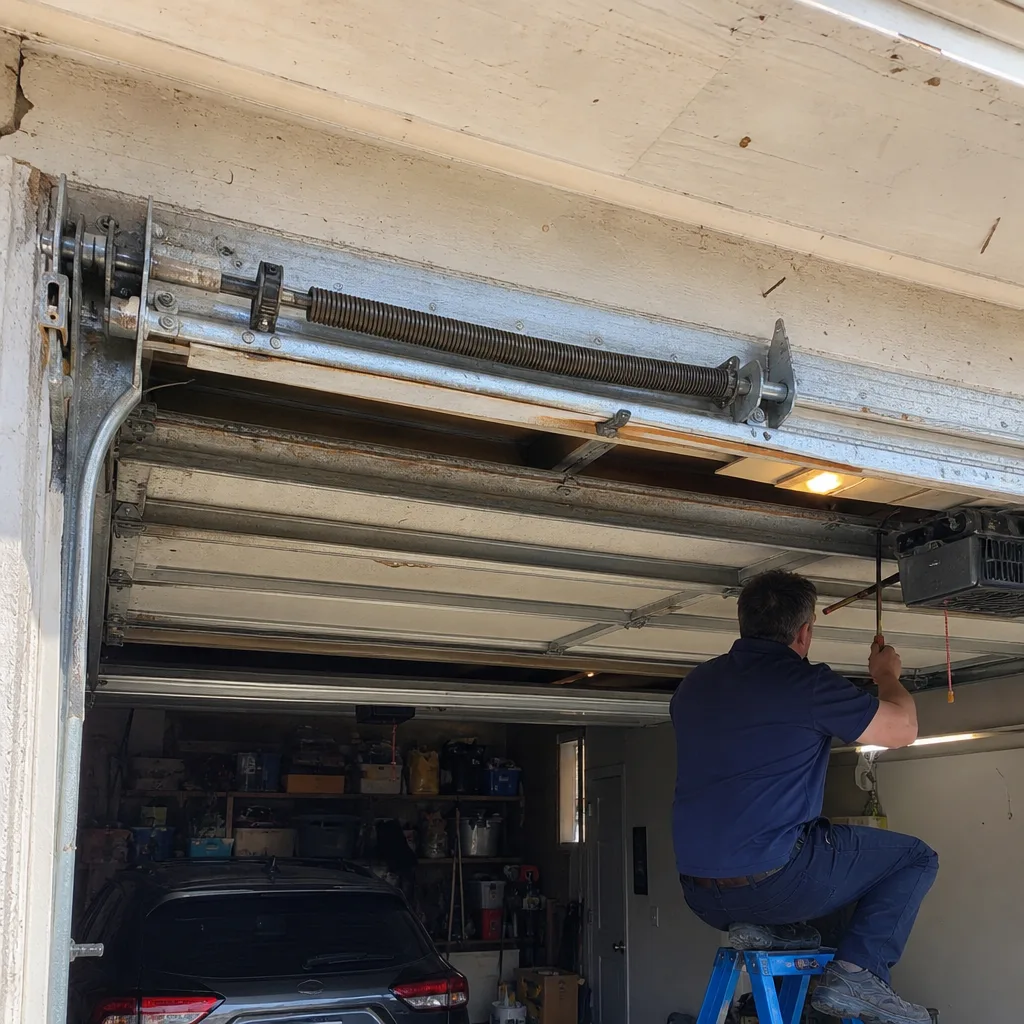 Before
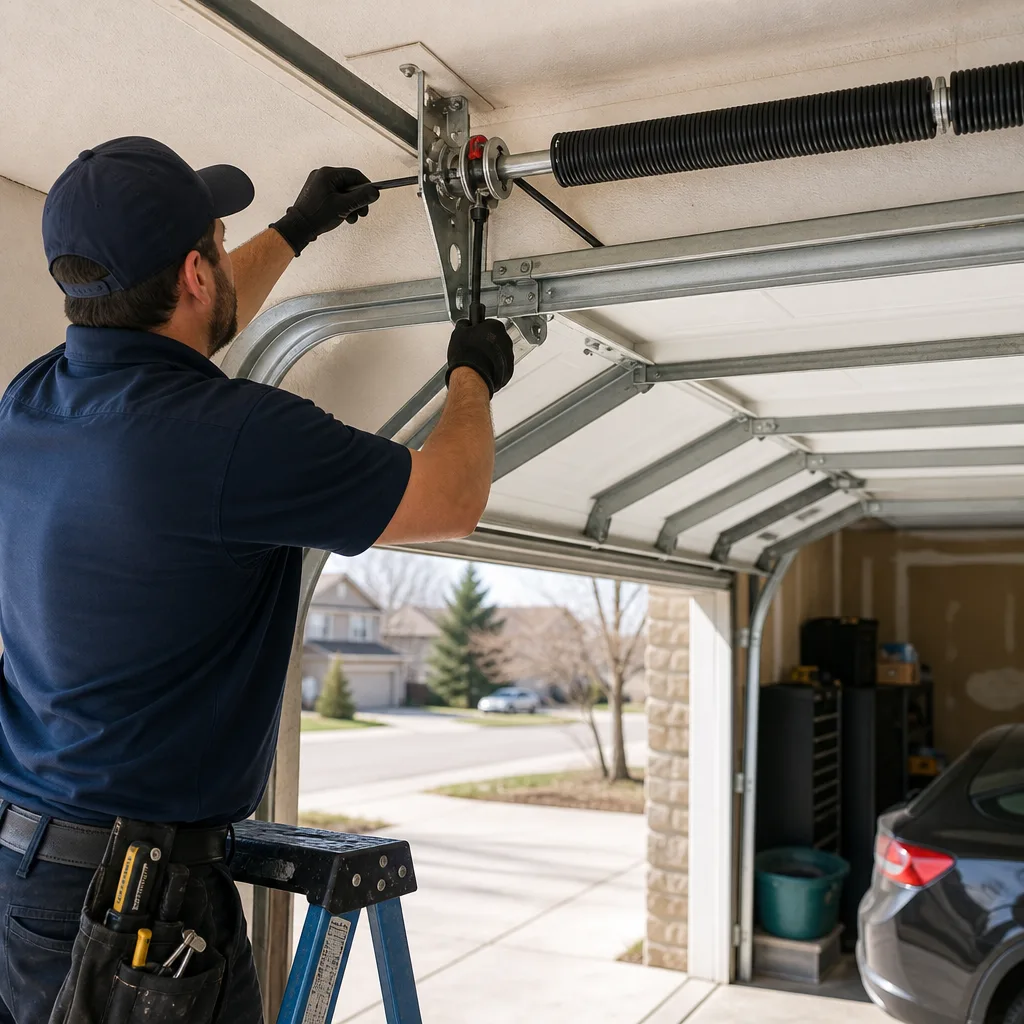 After
After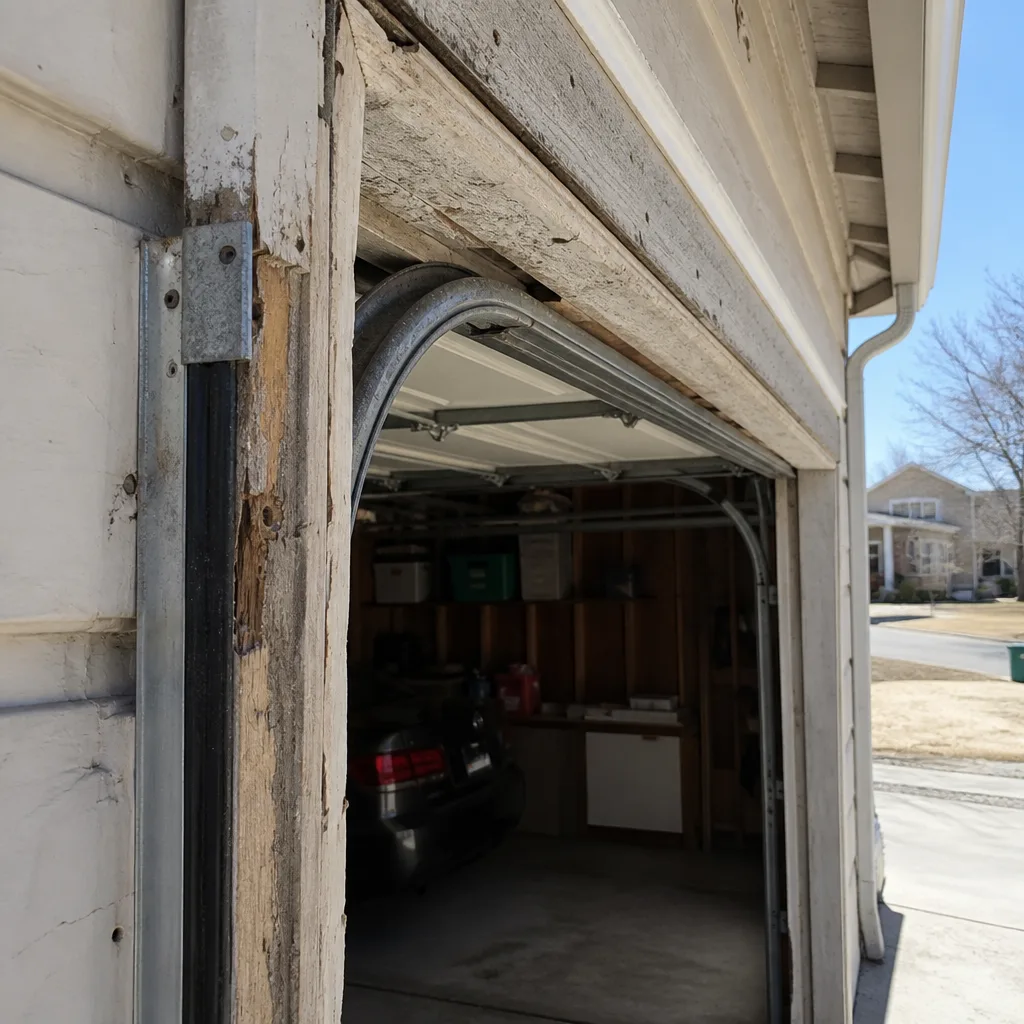 Before
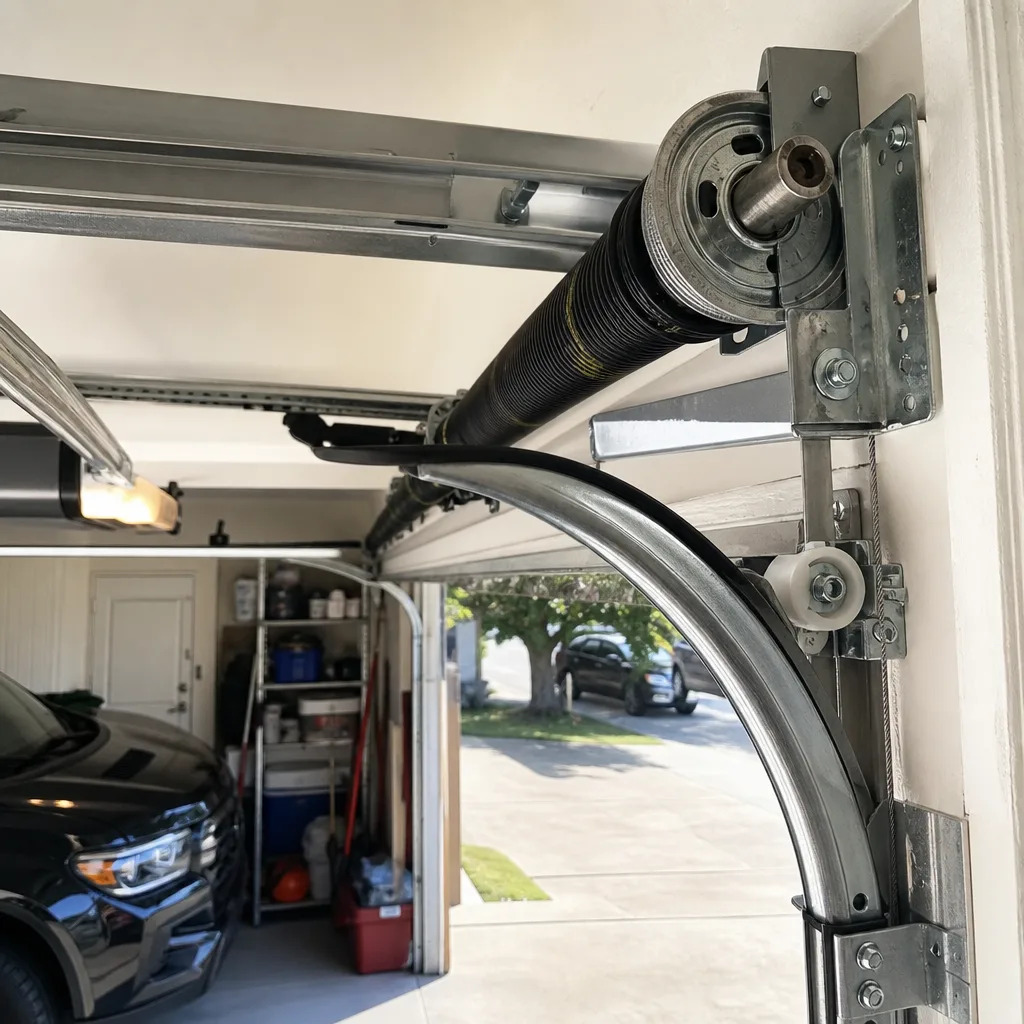 After
After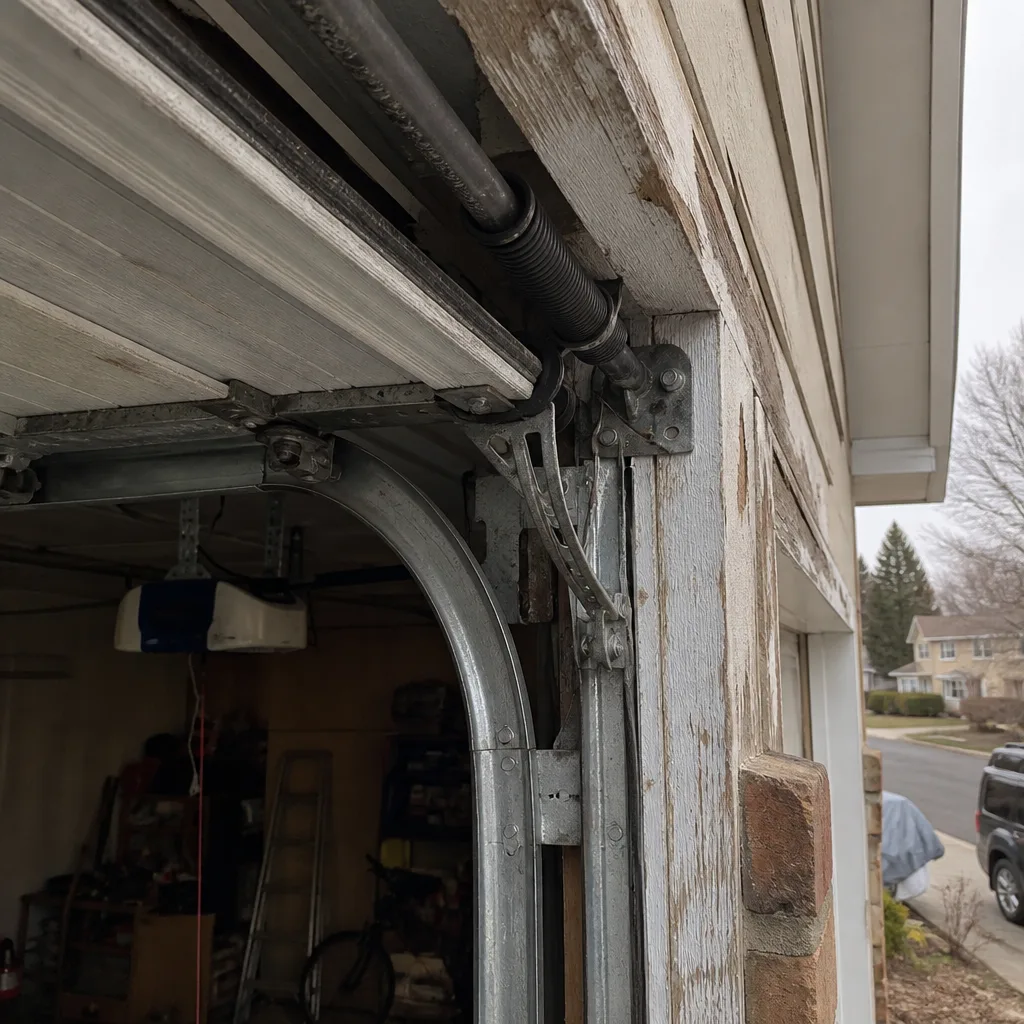 Before
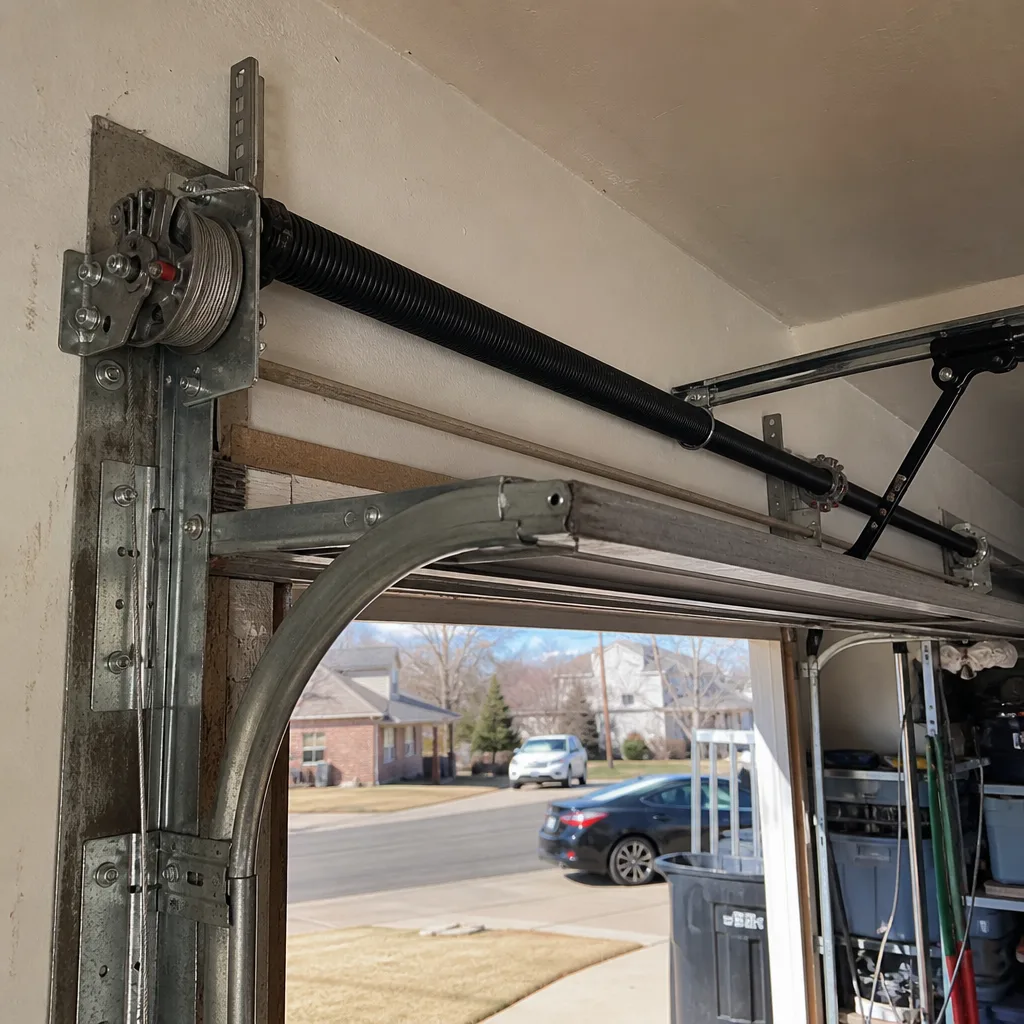 After
AfterDIY vs Professional Garage Door: The Thornton Homeowner’s Decision Guide
Here’s a number most Thornton homeowners haven’t thought about: a standard residential torsion spring stores between 150 and 300 foot-pounds of torque when fully wound. That’s enough force to break a forearm or worse if the winding bar slips. The DIY question for garage door work isn’t really about how handy you are. It’s about which specific component failed, because some garage door parts are engineered to be safely serviced by homeowners and others are not. This guide walks through that split component by component, what the actual injury data says, what DIY actually costs when it goes wrong, and what documentation you should demand from any professional you hire in Thornton. For more guides & resources on garage door care, see our blog.
Quick Answer
Most garage door maintenance tasks in Thornton are homeowner-appropriate: lubrication, weatherstripping, sensor alignment, and visual inspections cost little and carry almost no risk. But torsion springs, lift cables, and track work should not be DIY’d regardless of skill level, because the stored energy and failure modes create injury risk that no online tutorial can mitigate. The smart decision isn’t DIY versus professional as a blanket choice; it’s knowing which column the failed part falls into before you pick up a tool. Our Garage Door Repair Maintenance Checklist for Thornton Homeowners can help you assess which tasks are safe to handle yourself.
Table of Contents
- The Component Split: What’s DIY-Safe and What Isn’t
- What the Injury Data Actually Says About DIY Spring Work
- The True Cost of DIY on Homeowner-Appropriate Tasks
- Why Thornton’s Climate Changes the Maintenance Equation
- You Already Tried the Repair: What to Disclose
- The Three Things to Verify Before Hiring Any Garage Door Company in Thornton
- Common Mistakes to Avoid
- When to Call a Professional
- Frequently Asked Questions
BeforeAfterThe Component Split: What’s DIY-Safe and What Isn’t
Garage door systems break down into roughly a dozen distinct components, and they are not equally dangerous. The useful question for a Thornton homeowner is not “can I fix my garage door?” but “which part of my garage door needs attention?” Here’s the split, based on what we see daily in Thornton garages across Northglenn, Federal Heights, and the neighborhoods east of I-25.
Homeowner-Appropriate Tasks
These five jobs are genuinely safe to do yourself, require basic tools you already own, and carry almost no risk of injury or follow-up damage. We recommend these to homeowners regularly.
- Lubrication: A can of white lithium grease on the rollers, hinges, and the torsion spring itself (lightly, not soaked) will quiet a noisy door and extend component life. Do this every six months. Cost: $8-$15.
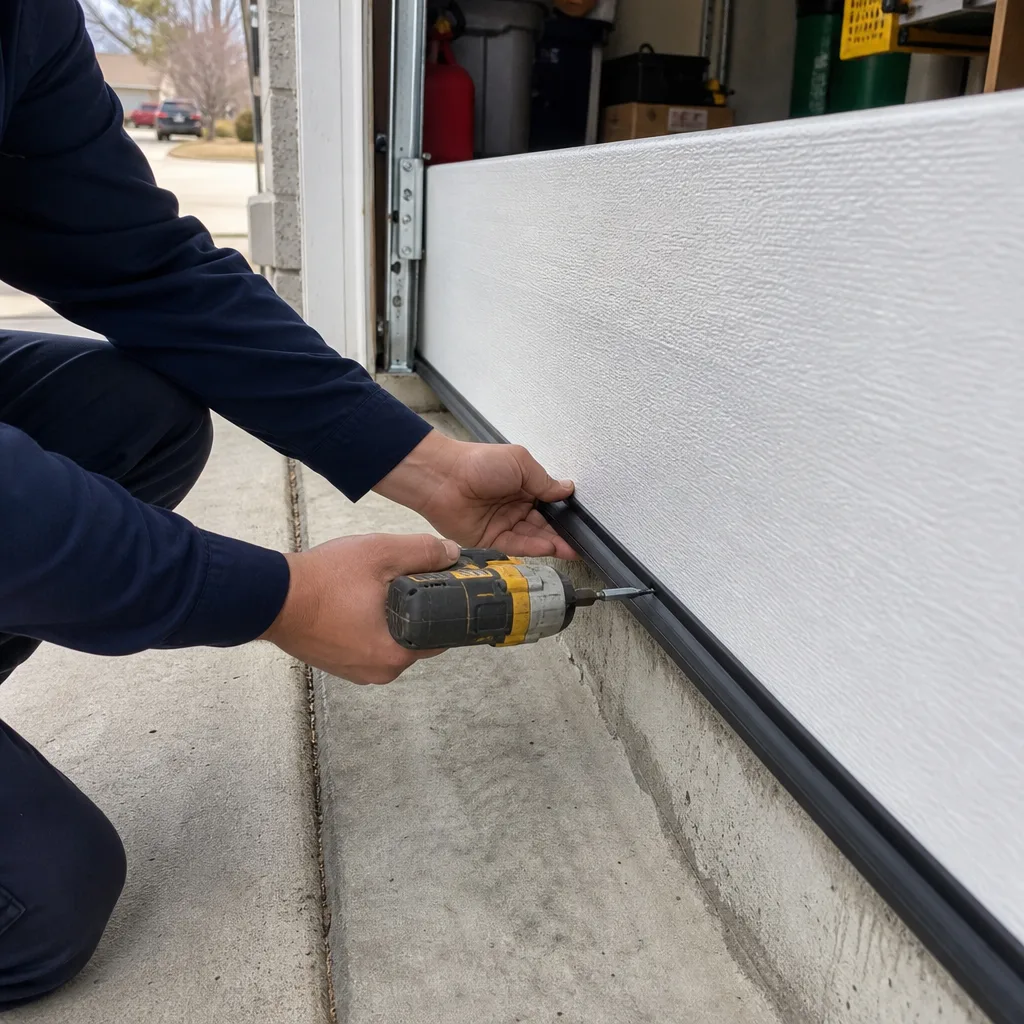
- Weatherstripping replacement: The rubber seal along the bottom of the door and the vinyl trim around the frame degrade after a few Colorado winters. Replacement kits run $15-$40 at any Thornton hardware store, and installation takes about an hour with a utility knife and a drill.
- Photo-eye sensor alignment: When the door won’t close and the opener lights blink, the two sensors near the floor have usually been knocked out of alignment by a broom, a bike, or a trash can. Loosening the wing nut and adjusting until both lights are steady is a five-minute fix.
- Battery replacement in remotes and keypads: Dead batteries are the most common cause of “the opener stopped working.” Replace the 9V or coin cell before calling anyone.
- Track inspection and basic cleaning: Wiping tracks down and removing obvious debris is safe. Do not attempt to bend or realign a track; that’s a different job entirely.
Do Not DIY These, Regardless of Skill
These components store mechanical energy or bear the full weight of the door, and the failure modes are unforgiving. This is not gatekeeping; this is a physics statement.
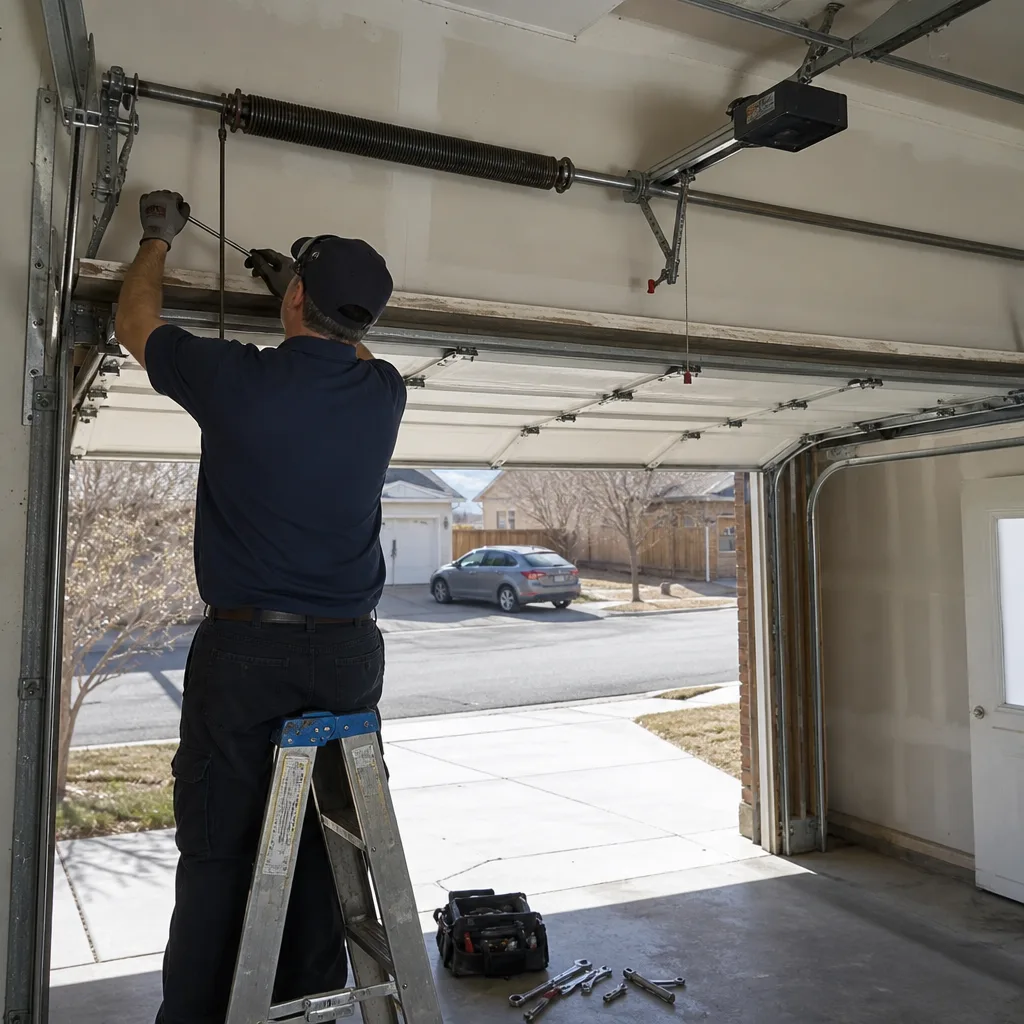
- Torsion springs: The spring mounted on a steel shaft above the door stores 150-300 ft-lbs of torque when wound. A slipping winding bar transfers that force instantly to whatever is holding it, typically a hand, wrist, or face. Torsion spring replacement requires specific tools, precise winding counts, and a failure plan for every step.
- Extension springs: These run alongside the horizontal tracks on older doors and store similar energy in tension. When one breaks, the recoil can send a steel clip through drywall. DIY replacement kits exist, but the risk-to-savings ratio doesn’t justify them.
- Lift cables: The cables that run through the torsion system and attach to the bottom brackets hold the door’s entire weight during the lift cycle. A frayed cable under load is a severed-cable event waiting to happen. Cable replacement requires releasing spring tension first, which loops you straight back into the torsion spring risk profile.
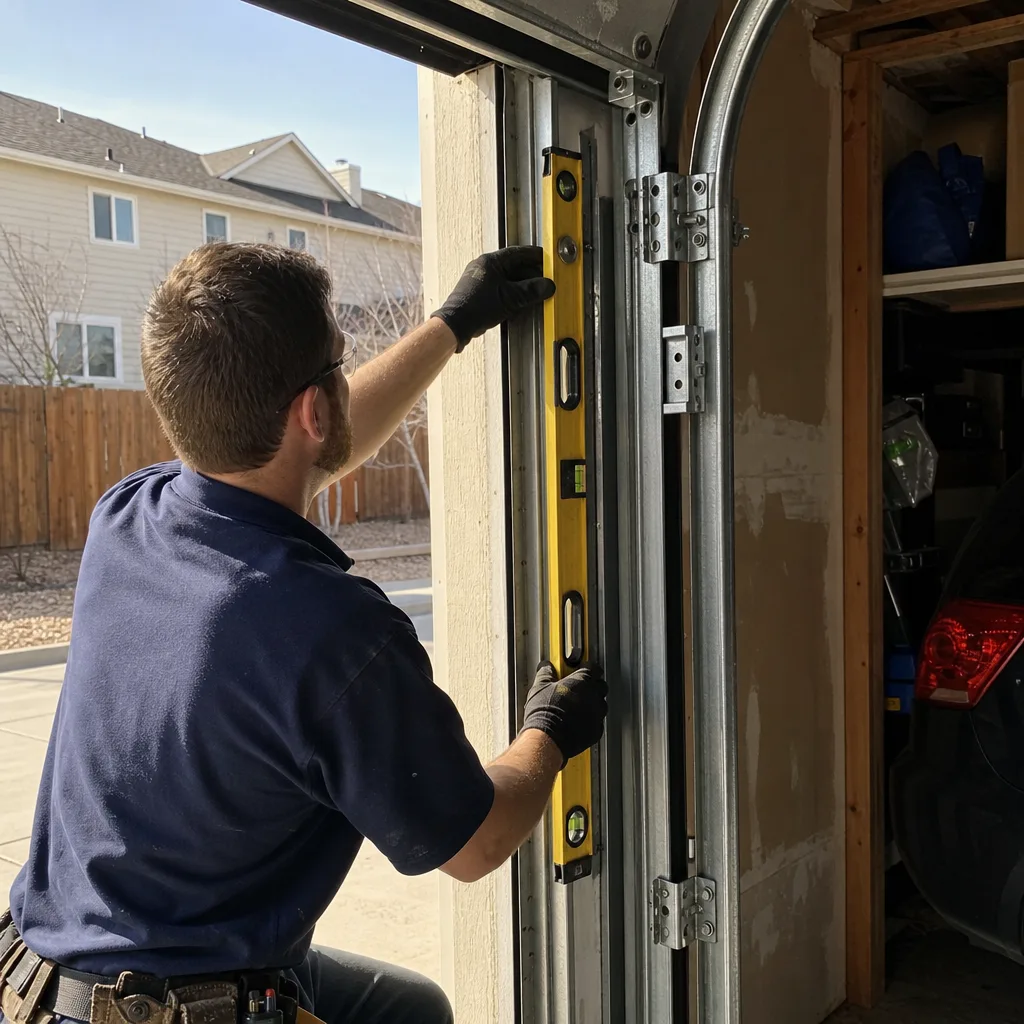
- Track realignment or replacement: Tracks guide a 150-400 pound paneled door through a curved path. Incorrect alignment causes the door to bind, jump the track, or fall. Adjusting track brackets under tension is not a weekend project.
- Panel replacement of any kind: Panels are heavy, awkward, and connected to cables and springs. Removing one without supporting the remaining door can unbalance the entire system.
If the failed component is in the second list, the DIY question becomes “what is the cost of being wrong?” We’ll get into that math below.
What the Injury Data Actually Says About DIY Spring Work
The U.S. Consumer Product Safety Commission (CPSC) has tracked garage door injuries for decades, and the data is specific enough to quote without needing to sensationalize it. Between 1982 and the early 2000s, the CPSC documented roughly 20,000 garage door-related injuries annually from all causes, including automatic door entrapments, falling doors, and spring failures. A significant portion of these involved people attempting to adjust or replace torsion and extension springs themselves.
The injury profile is consistent: lacerations to hands and forearms, fractures from winding bar slips, blunt force trauma from spring recoil, and eye injuries from flying components. Winding a torsion spring requires holding a steel bar under torque while inserting a second bar and rotating a quarter turn at a time. A single moment of distraction, a worn winding cone, or a bar that’s the wrong diameter, and the spring releases its stored energy into the nearest object. In a Thornton garage, that nearest object is you.
There’s also a less-discussed category: DIY attempts that don’t injure anyone but leave the door dangerously unbalanced. A door with springs wound to the wrong tension can slam closed, fail to reverse on obstruction, or rip its fasteners out of the wooden header plate. Those failures happen days or weeks after the repair, often when a child or pet is walking through the doorway.
Note also that residential garage door openers manufactured after 1991 include mandatory reversing mechanisms to prevent entrapment. When a DIY spring or cable repair changes the door’s balance, the opener’s force settings may no longer function as designed. The safety system you’re relying on was calibrated for a door that moved correctly. It no longer does.
This is why the professional standard exists in the first place. It’s not that technicians possess some secret knowledge unavailable to a determined homeowner. It’s that the job demands calibrated torque, specific tools, and the kind of procedural discipline that only matters when a mistake costs a limb.
The True Cost of DIY on Homeowner-Appropriate Tasks
For the tasks in the homeowner-appropriate list, DIY makes financial sense. But the math should include more than the part price. Here’s a realistic cost calculation for a Thornton homeowner replacing a bottom weather seal on a single-car garage door.
- Part cost: $18-$25 for a complete replacement seal at a Thornton hardware store or home center.
- Time cost: 45-90 minutes, including removing the old seal, cleaning the channel, cutting the new seal to width, and reinstalling. If you value your time at $30/hour, that’s $22-$45.
- Tool cost: $0 if you already own a utility knife, flathead screwdriver, and drill with a socket bit. If not, add $25-$50.
- Callback risk: Low for this task. If the seal is installed backward or cut too short, you’ll catch it immediately and you’re out the part cost and another hour. No professional callout required.
That’s a genuine win for DIY. Same goes for sensor alignment and battery replacement; the costs are nearly zero, and the failure mode is simply “no change.” DIY on these tasks keeps money in your pocket and doesn’t introduce new risk.
Now run the same math on a torsion spring. A spring replacement kit at a big-box store runs $60-$120 depending on the spring size. The required winding bars are another $30-$60, and the correct bars for a specific spring diameter matter; the wrong bar size is a common cause of slippage. You’re now at $90-$180 in materials for a job where the failure mode is a hospital visit. Compare that to the professional cost: torsion spring replacement by a qualified technician in Thornton typically runs $280-$400 including the part, labor, and balancing the door. See our Garage Door Cost Breakdown: The Thornton Homeowner’s Reference for 2026 for a fuller picture of pricing. The difference of roughly $200 is what you’re paying for the technician’s failure plan, the calibrated winding count, and the fact that the company carries insurance if something does go wrong.
We see this calculation play out regularly. A homeowner in Thornton attempts a spring repair, the door ends up unbalanced, and the follow-up professional repair costs more than the original professional repair would have, because now there’s diagnostic work to identify what was installed incorrectly. The “savings” becomes a negative number.
Why Thornton’s Climate Changes the Maintenance Equation
Thornton sits at roughly 5,300 feet elevation and gets about 60 inches of snow in an average winter, with temperature swings from sub-zero nights to 60-degree afternoons within the same week. That freeze-thaw cycle is hard on garage door systems, and it changes the DIY calculus in specific ways.
The bottom rubber seal takes direct abuse from ice, road de-icer, and UV exposure at altitude. It should be inspected every fall before the first snow and replaced about every two to three years in Thornton, more often if the door faces south or west and gets full afternoon sun. This is a homeowner-appropriate task and the climate makes it more important here than in milder cities.
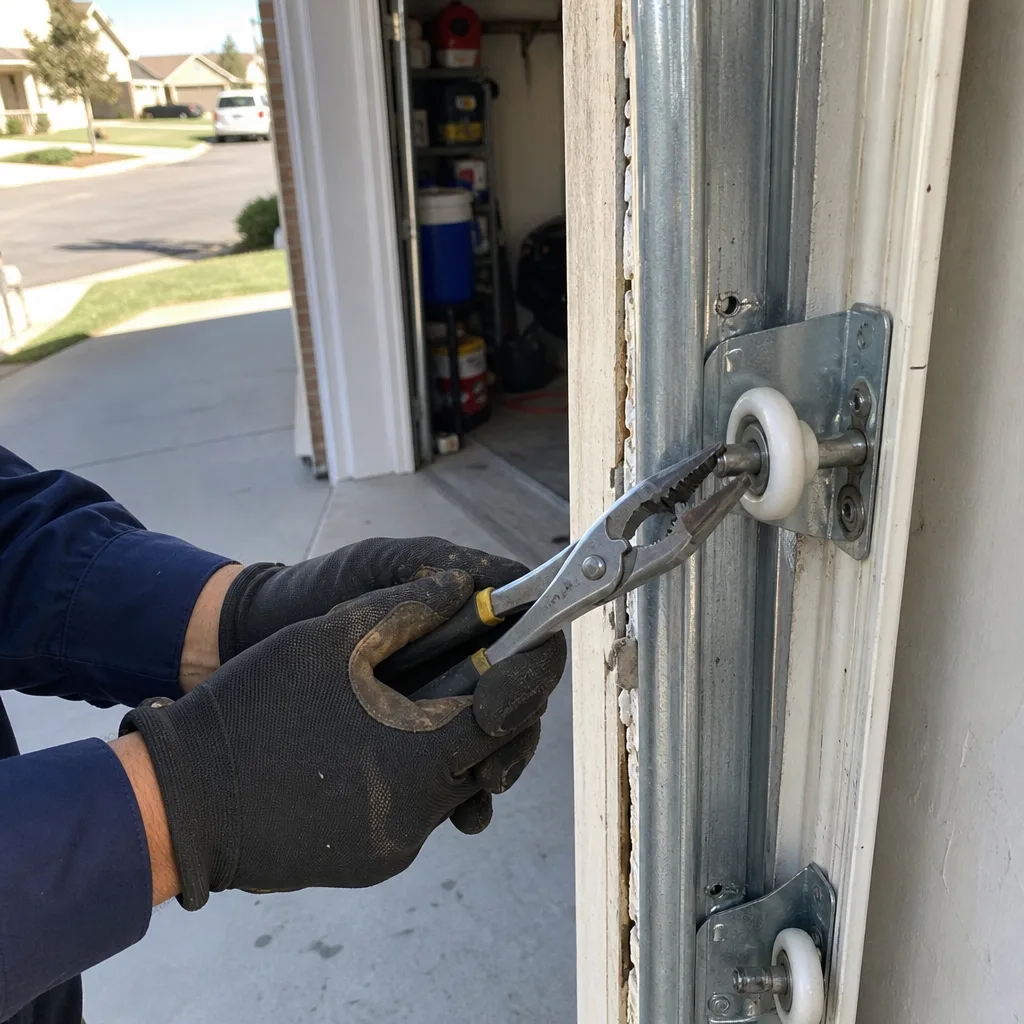
Metal components contract in cold weather, and a track or roller that operates smoothly in July can bind in January. Lubrication before winter sets in is not optional maintenance in Thornton; it’s the difference between an opener that strains and a door that moves correctly. A strained opener burns through its gears faster and trips thermal protection more often.
The colder weather also exposes weak torsion springs. Springs are rated for a number of cycles, typically 10,000, and temperature stress contributes to metal fatigue. When a spring breaks in Thornton, it tends to break in the middle of a cold snap, often in the morning when the garage is at its coldest. That’s worth knowing because it affects the urgency decision. If your spring breaks on the coldest day of the year and your car is inside the garage, you’re not getting to work without either a manual door lift (difficult and risky with a broken spring) or a professional repair.
Altitude also affects opener settings. Motors are calibrated for a given door weight and balance. When springs weaken or the door absorbs moisture, the balance shifts and the opener works harder. Thornton’s dry climate mitigates moisture absorption, but the temperature swings put more stress on the opener’s electrical components over time. An opener that lasts 12 years in a moderate coastal climate may last 8-10 in Thornton before the logic board or drive gear fails.
You Already Tried the Repair: What to Disclose
This section matters because we meet homeowners who attempted a repair, got partway through, and then called us. That’s not a failure and no one should feel embarrassed about it. What matters is what you tell the technician before they start diagnosing, because your disclosure changes the diagnostic path.
A good diagnostic starts from an accurate baseline. If you’ve disassembled something, the technician needs to know what was touched, what was replaced, and what you observed before stopping. Here’s what to provide:
- List every component you touched or adjusted. “I turned the torsion spring half a turn” is materially different from “I replaced the torsion spring and then couldn’t get the door to lift.” Be specific.
- Describe what the door was doing before you started. A grinding noise from the left side when opening, a door that only opened halfway, a cable that looked frayed. Those observations are diagnostic gold and the technician can’t see them if you’ve already changed the setup.
- Show any parts you removed or replaced. Old springs, old bolts, bent brackets, anything you took off. The failed component tells a story about what else may have been stressed.
- Note what you observed when you stopped. Did the door drop suddenly? Did a winding bar slip? Did a cable snap? This helps the technician check for secondary damage before quoting any work.
- Measure the spring if you know it. If you replaced a spring and still have the old one, the old wire diameter and coil count tell the technician whether you installed the right replacement. Undersized springs are a common DIY outcome and cause the door to run heavy or fail early.
This disclosure does two things. It protects you from paying for diagnostic work that’s already been answered, and it protects the technician from making assumptions that lead to an incomplete repair. Both matter. A professional who starts from an accurate baseline will quote a more accurate price, and the written quote should reflect exactly what was disclosed.
The Three Things to Verify Before Hiring Any Garage Door Company in Thornton
Whether you’re hiring for a spring replacement, a full Garage Door Installation in Thornton, or an opener repair, there are three things you should verify before the technician arrives. These aren’t nice-to-haves. They’re the difference between a transparent repair and a quote that changes after the work starts.
1. Written Quote in Advance
You should never agree to garage door work without a written price and a written scope of work. The quote should name the specific parts being replaced, the labor cost, and the total. In Thornton, a number of companies still quote over the phone or in person and then adjust the price after the work is done. That’s not how transparent pricing works. Clause 1 of The Haven Standard requires a flat, written price and written scope delivered before any work begins. If a company won’t put the price in writing before starting, end the conversation.
2. Component Photograph
Before any replacement is quoted, you should see evidence of why the replacement is needed. A photograph of the failed component, shown to you on the technician’s device or sent to your phone, is the minimum standard. This traces back to the founding rule at Servo: the customer sees the failed part before anyone quotes a replacement. Clause 4 of The Haven Standard codifies this. If the technician says a spring is broken but doesn’t show you the break, you’re trusting a verbal assertion. You shouldn’t have to.
3. Labor Warranty in Writing
Parts sold by reputable manufacturers carry their own warranties, typically 3-5 years on springs and 1-3 years on opener components from names like LiftMaster and Chamberlain. But the labor warranty is what you’re really verifying. Does the company stand behind the installation for six months? A year? The answer should be in writing on the invoice, not described verbally. The 365-Day Done Right Promise at Servo means that if a repair is not right, we make it right. That’s a labor warranty with specific terms, documented on a terms page, not a handshake.
These three checks work regardless of which company you hire. They’re not proprietary; they’re just the minimum standard for transparent service. Any company that can’t meet all three isn’t worth the risk.
Common Mistakes to Avoid
- Overtightening bolts on the track brackets. Steel tracks need to allow a small amount of movement at the brackets; overtightening binds the door as it cycles and accelerates roller wear. In Thornton’s temperature swings, the expansion and contraction of metal makes this worse.
- Lubricating the track itself. The track is a guide, not a bearing surface. Grease in the track attracts dust and grime, which the rollers then compress into a sticky residue. Lubricate the rollers, hinges, and spring, not the track.
- Adjusting spring tension without a balance test. Any time springs are adjusted or replaced, the door should be disconnected from the opener and manually tested. It should stay in place at half-height and lift smoothly with one hand. If it doesn’t, the tension is wrong regardless of what the tutorial said.
- Replacing only one spring on a two-spring system. Springs wear together and are typically replaced as a pair. Replacing only the broken one leaves an unbalanced system that stresses the new spring and shortens its life.
- Ignoring a frayed cable because “the door still works.” Lift cables fail catastrophically, not gradually. A frayed cable is a countdown. The replacement is inexpensive compared to the damage caused when it lets go under load.
- Testing an opener’s reversing feature with a cardboard box, then calling it done. The reversal mechanism is a safety device, not a convenience feature. Testing it properly means placing a 2×4 flat under the door and verifying the door reverses within two seconds of contact. If it doesn’t, the opener needs service regardless of whether it opens and closes.
- Assuming a new opener fixes a broken door. The opener moves the door; it doesn’t replace the door’s own balance system. Installing a new opener over a door with bad springs just puts a fresh motor on a failing system and burns out the new opener faster.
When to Call a Professional
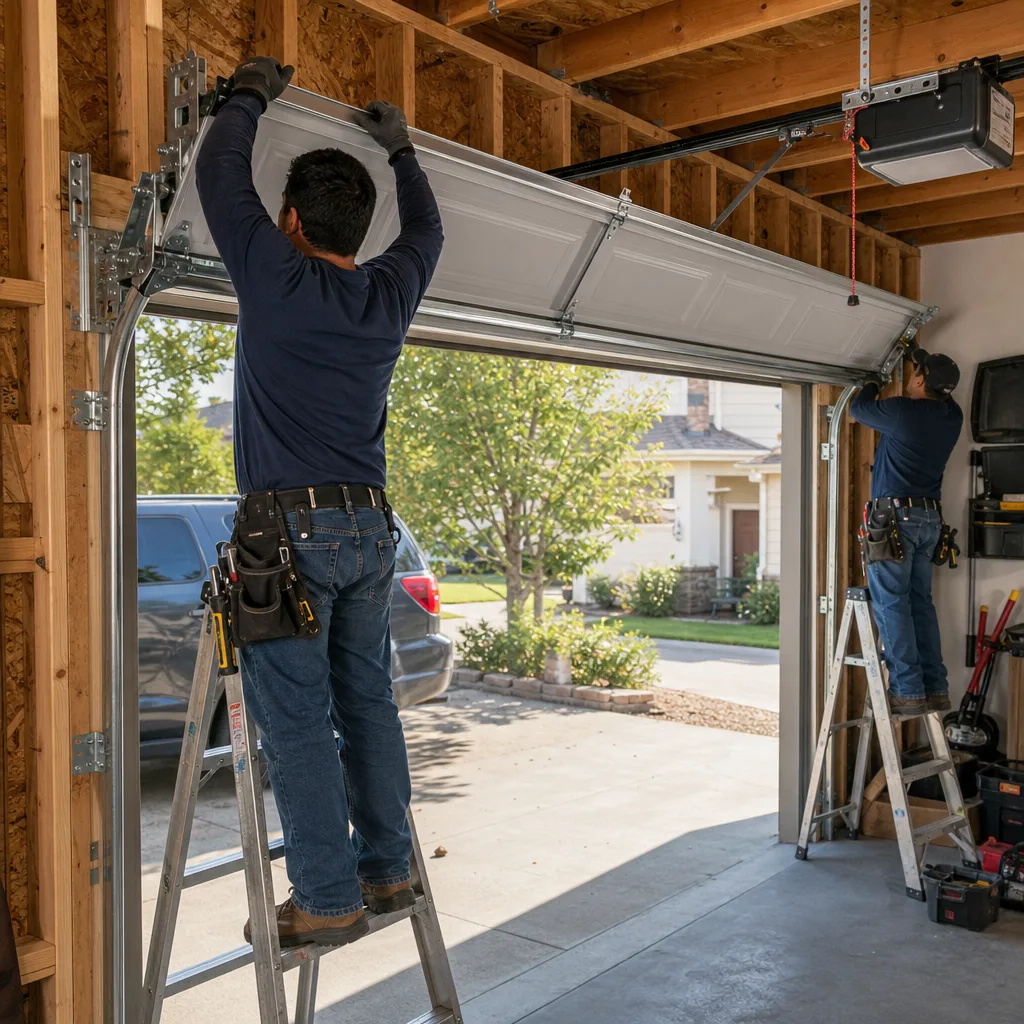
Call a professional when the failed component is on the do-not-DIY list: torsion springs, extension springs, lift cables, track work, or panel replacement. Call also when the door is off balance, when you hear metal fatigue sounds you can’t localize, or when any repair you’ve already attempted didn’t resolve the issue. The diagnostic starts from an accurate baseline, and a technician who knows what was already touched will work faster and quote more accurately.
Servo Garage Doors Thornton handles Garage Door Repair in Thornton, Garage Door Opener Repair & Installation in Thornton, and full installations. We quote a flat, written price before any work begins, photograph the failed part before quoting a replacement, and deliver a documented photo record when the job is done. Free estimates are available throughout Thornton - call (720) 575-1024.
Frequently Asked Questions
It’s dangerous enough that the CPSC has documented thousands of injuries from spring-related DIY attempts, including fractures, lacerations, and eye injuries from flying components. A torsion spring stores 150-300 ft-lbs of torque when wound, and a slipping winding bar releases that force instantly. We recommend leaving spring work to a trained professional regardless of your mechanical skill. Call (720) 575-1024 for a written quote - estimates are free.
You can safely lubricate rollers and hinges every six months, replace the bottom weather seal, realign photo-eye sensors, replace remote and keypad batteries, and visually inspect tracks for debris. These tasks require basic tools and carry almost no injury risk. If you’re unsure whether a task falls in the safe category, call us and we’ll tell you over the phone without charging for the answer.
Torsion spring replacement in Thornton typically runs $280-$400, including the spring, labor, and balancing the door to manufacturer specification. Extension spring replacement typically runs $180-$280. The exact price depends on spring size, door weight, and whether you replace one spring or both. We quote a flat, written price before any work starts, and the price doesn’t change once the technician sees the door. Call (720) 575-1024 for an exact quote.
Not with us. Clause 1 of The Haven Standard requires a flat, written price and written scope delivered before any work begins. If the technician finds something additional during the repair, we photograph it and quote the additional work separately before touching it. You are never surprised by an invoice.
In most cases, yes. We carry the common spring sizes, cables, rollers, and opener components on the truck, so Servo Garage Doors Thornton home repairs are typically completed in a single visit. Emergency calls are answered by a live person 24/7, and we’ll tell you who’s coming and when before they arrive. Call (720) 575-1024 and a live person will answer.
Stop working on the door. Disconnect the opener and leave the door in its current position. Before the technician arrives, prepare a list of what you touched, what you replaced, and what you observed. That disclosure lets the diagnostic start from an accurate baseline and prevents unnecessary exploratory work. Then call us at (720) 575-1024 and tell the person who answers exactly what happened. We’ll schedule the repair and quote a written price before any corrective work begins.
The Bottom Line
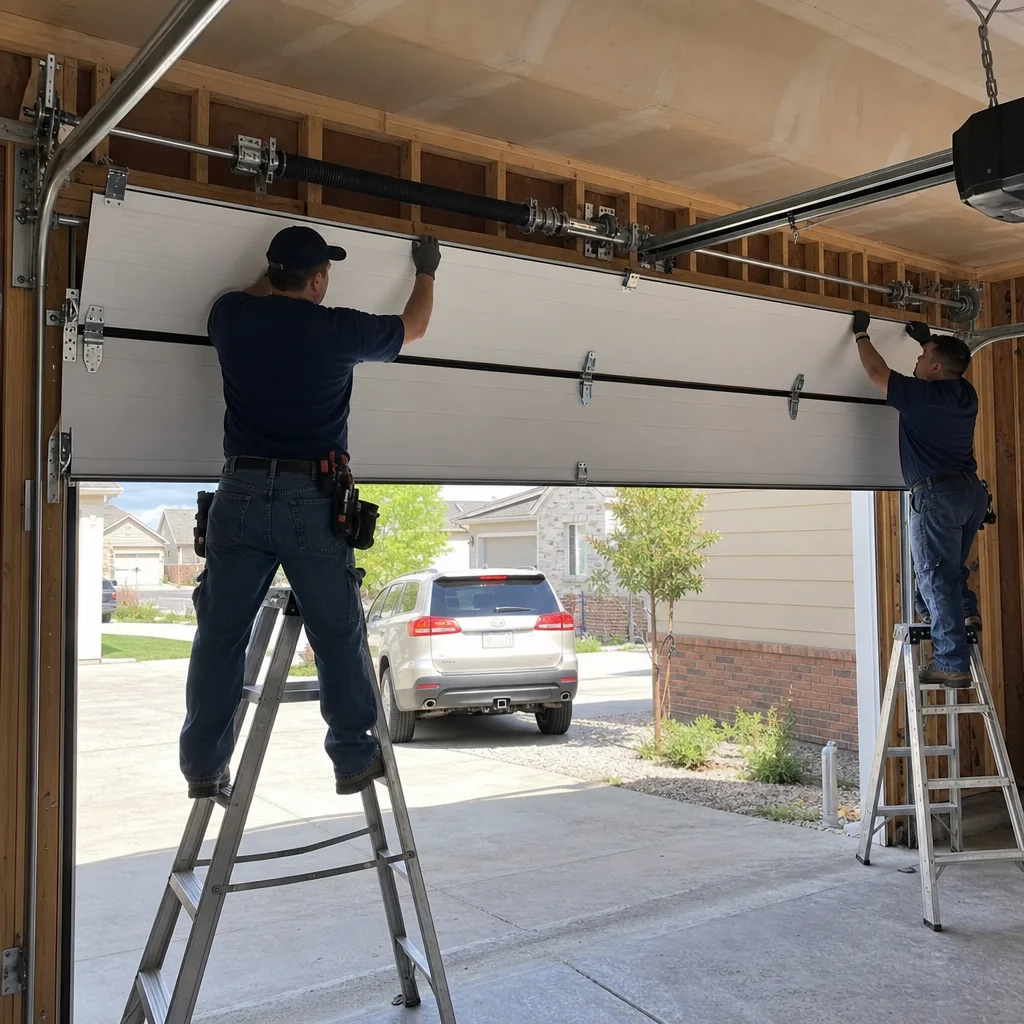
Lubricate it, seal it, align it, and replace the batteries yourself. Those are homeowner tasks and the savings are real. But when a spring breaks, a cable frays, or a track shifts, the risk equation flips entirely. The stored energy in a wound spring doesn’t care about your skill level; it only cares about the torque. The professional decision is not about capability. It’s about which component is in front of you. If it’s on the do-not-DIY list, call someone who photographs the failed part before quoting a replacement and puts the price in writing before the work begins. That’s how the decision should be made in Thornton or anywhere else.
Written by Marcus Deller, Owner at Servo Garage Doors Thornton, serving Thornton since 2015.