
Last updated September 20, 2026
Full 25-point door and opener safety check with every visit - springs, cables, rollers, tracks, and your LiftMaster or Chamberlain opener included
You get a price before we start. It does not change when the truck arrives.
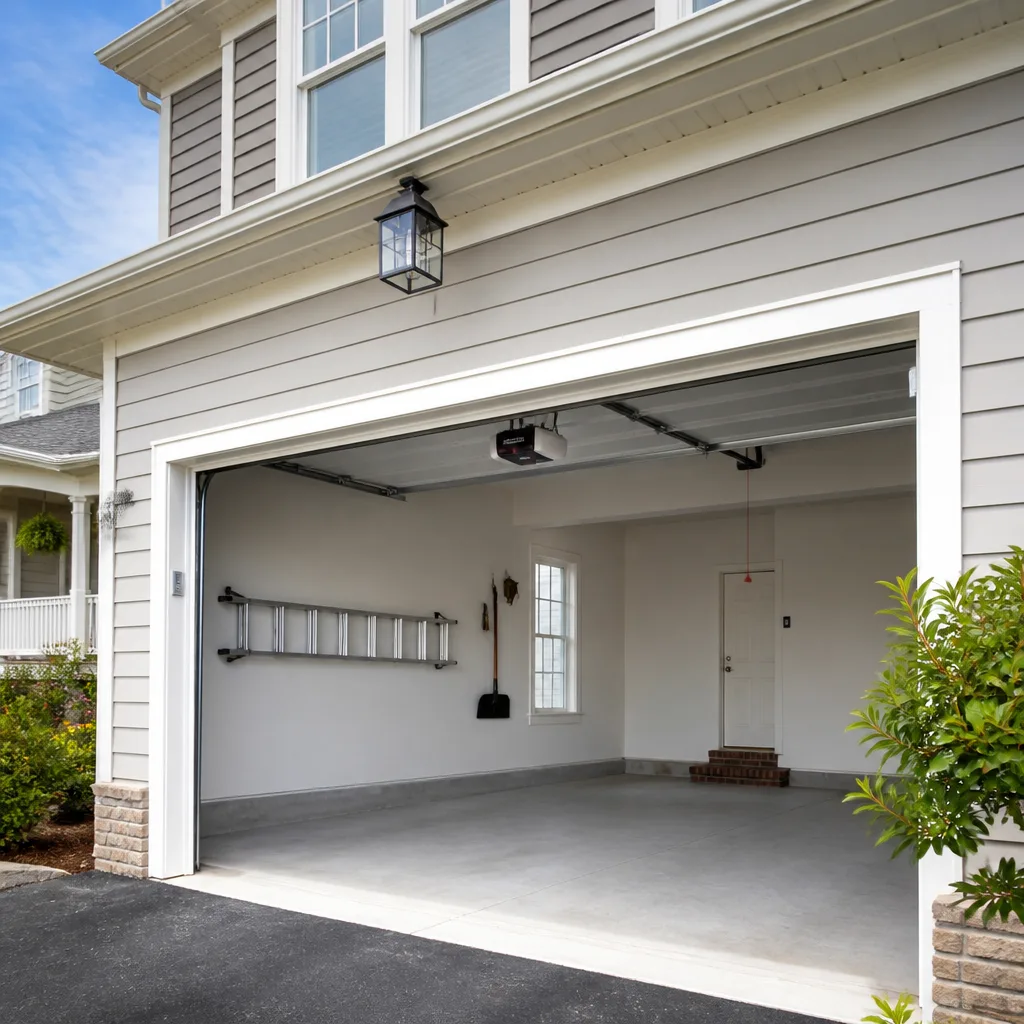
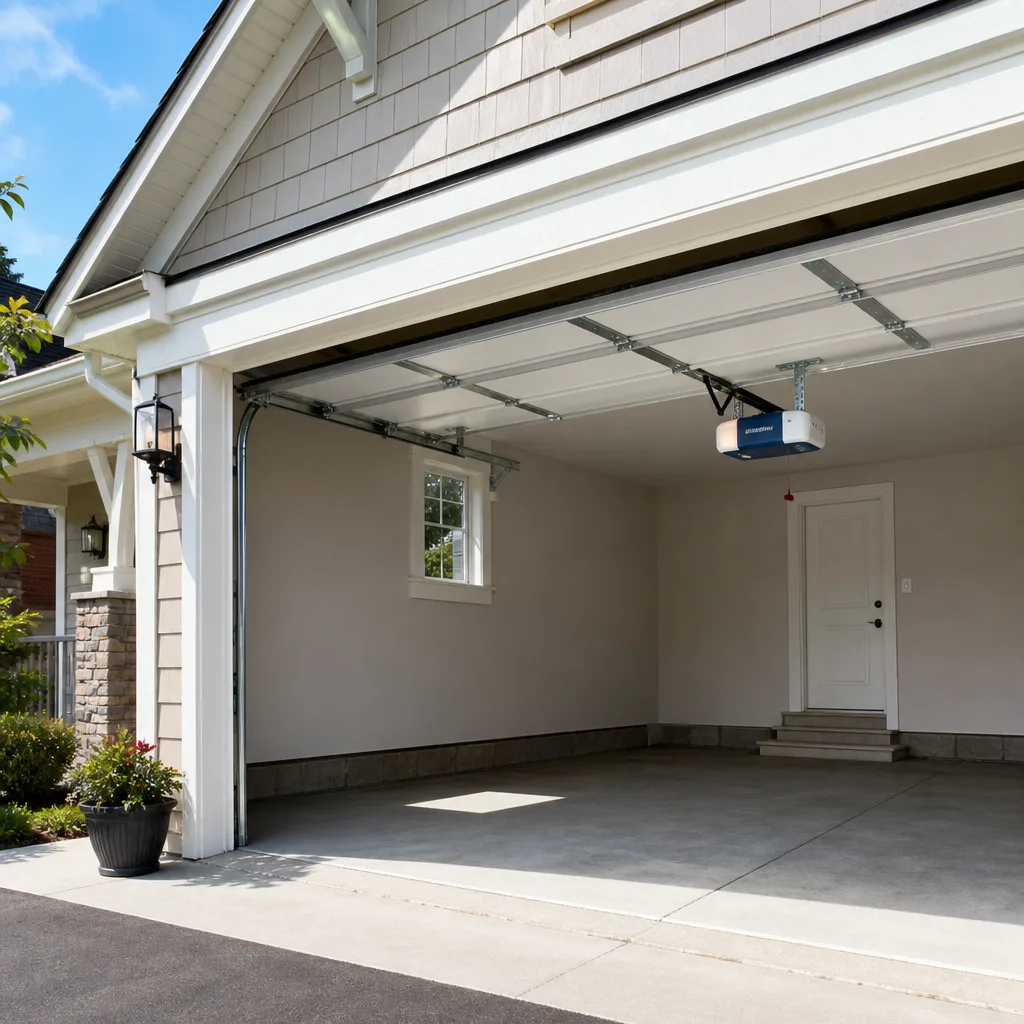
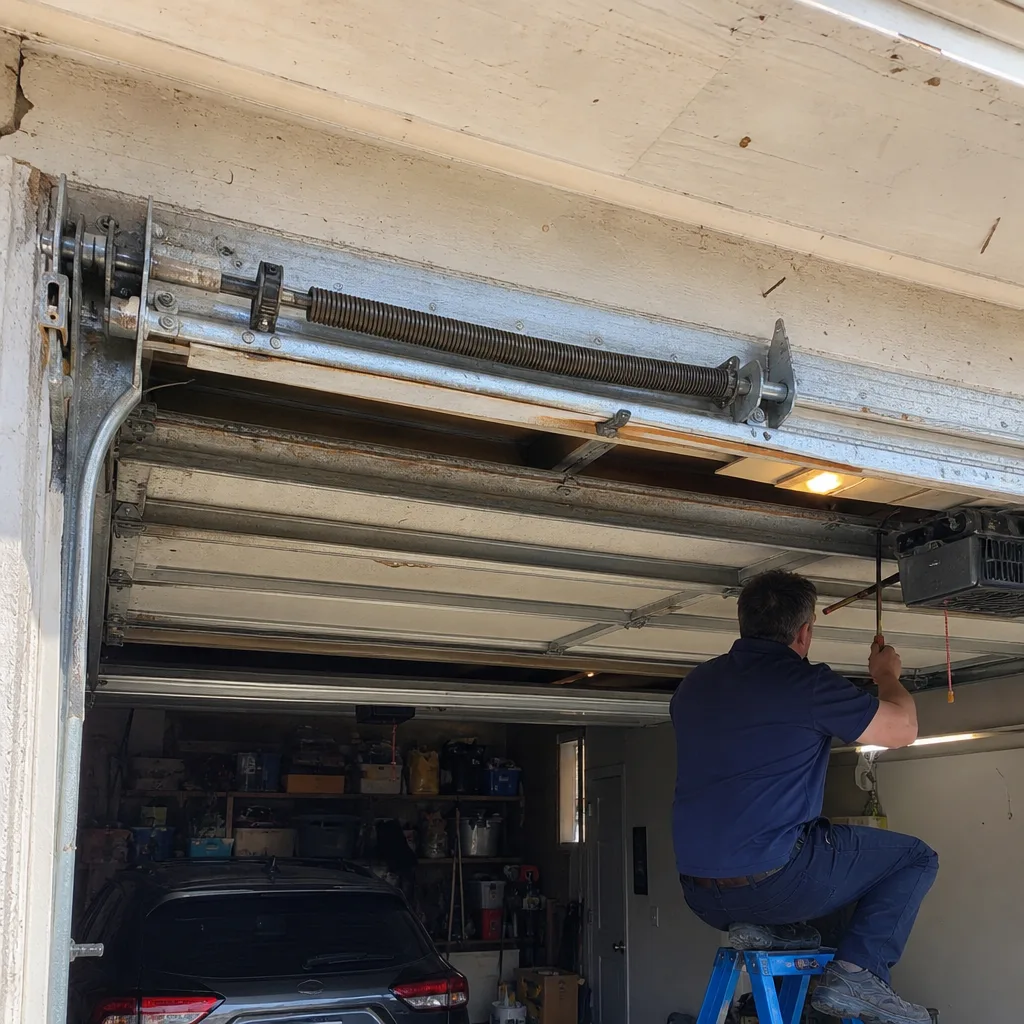 Before
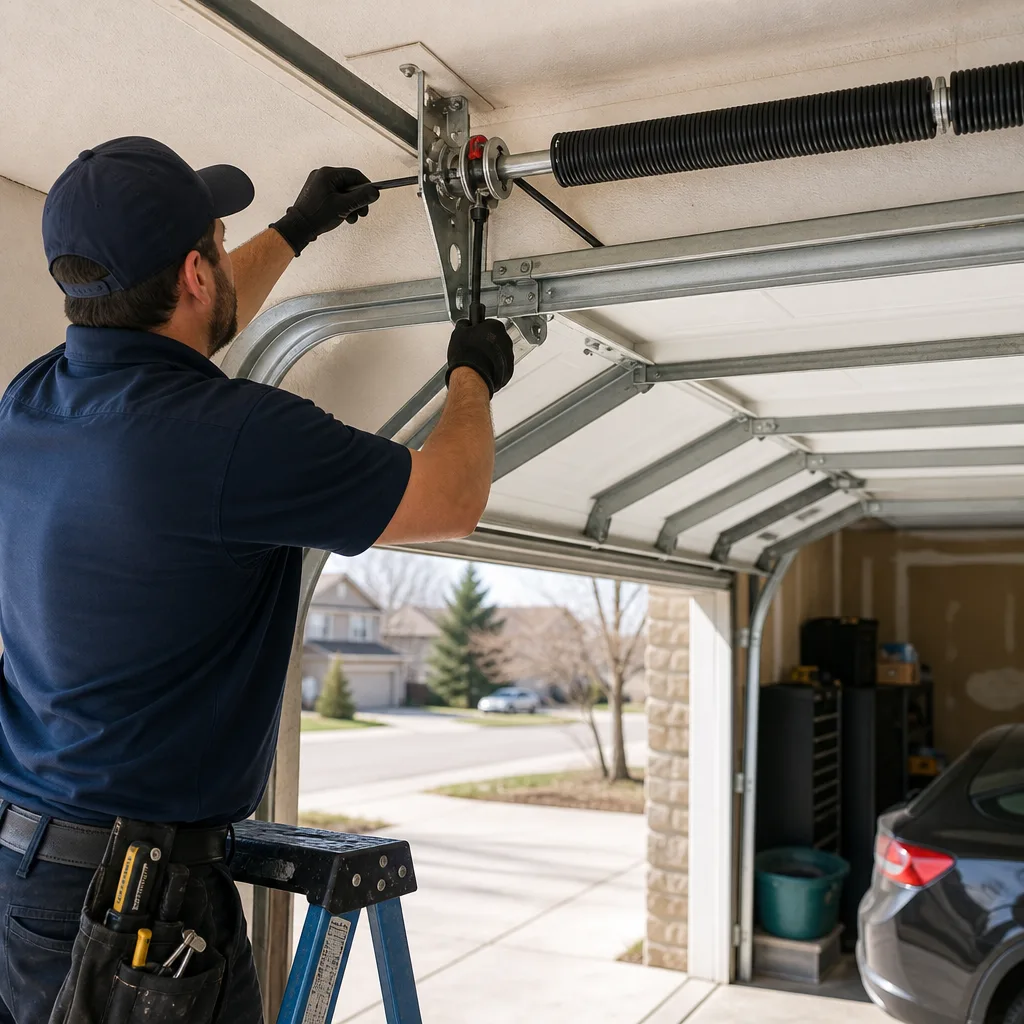 After
After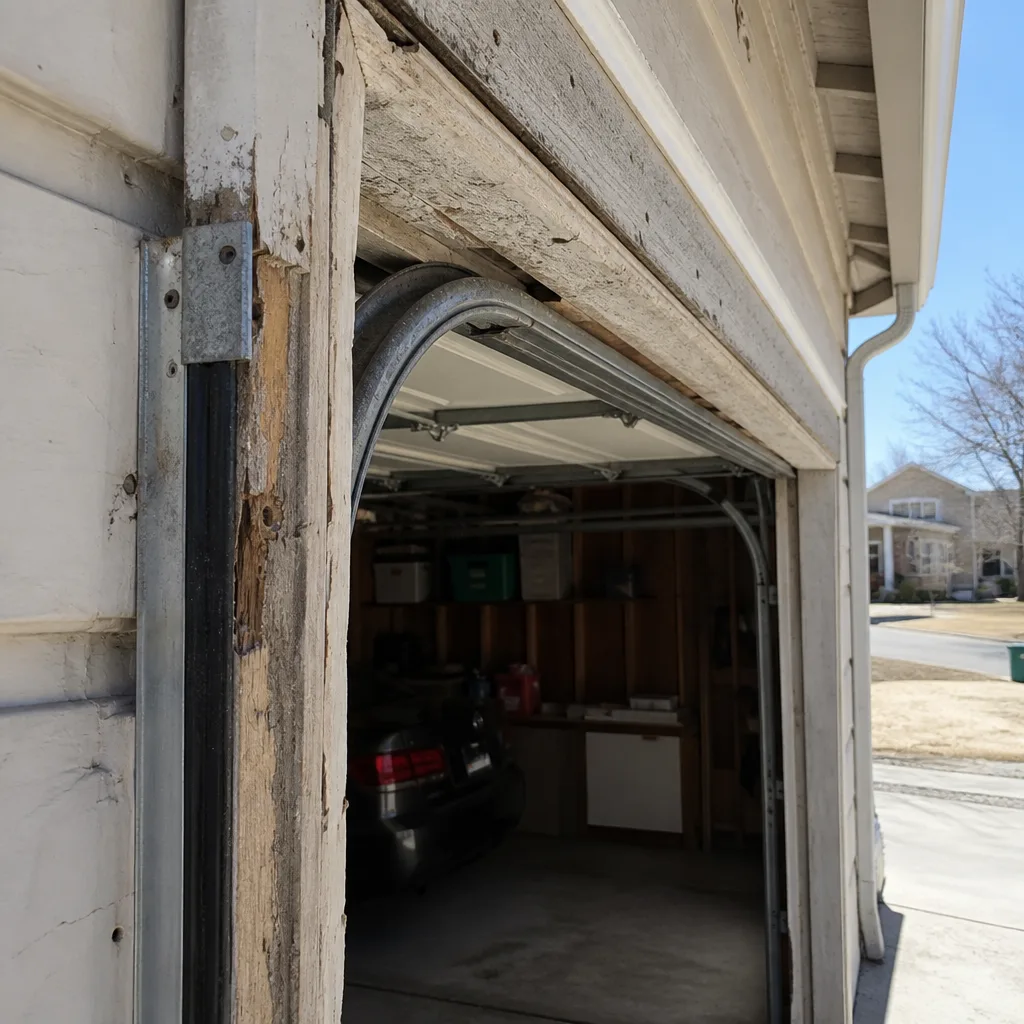 Before
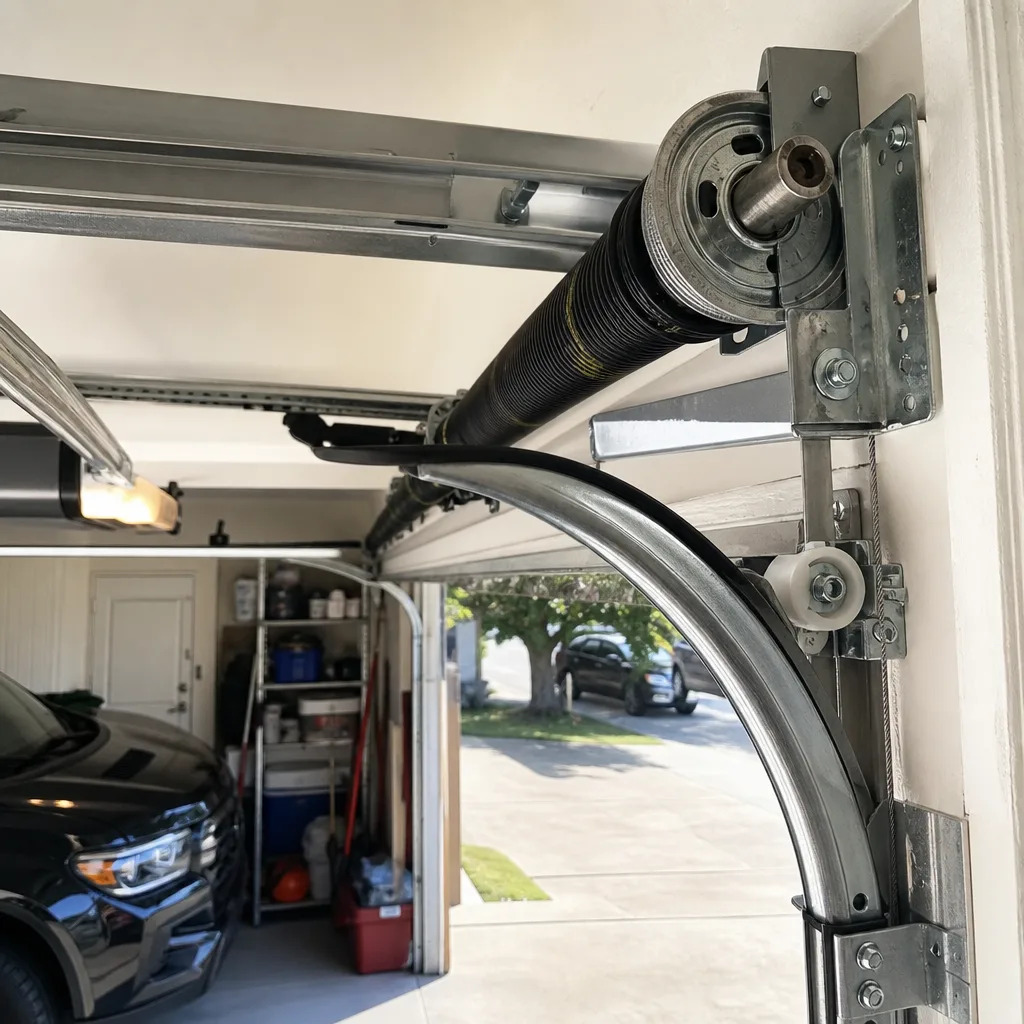 After
After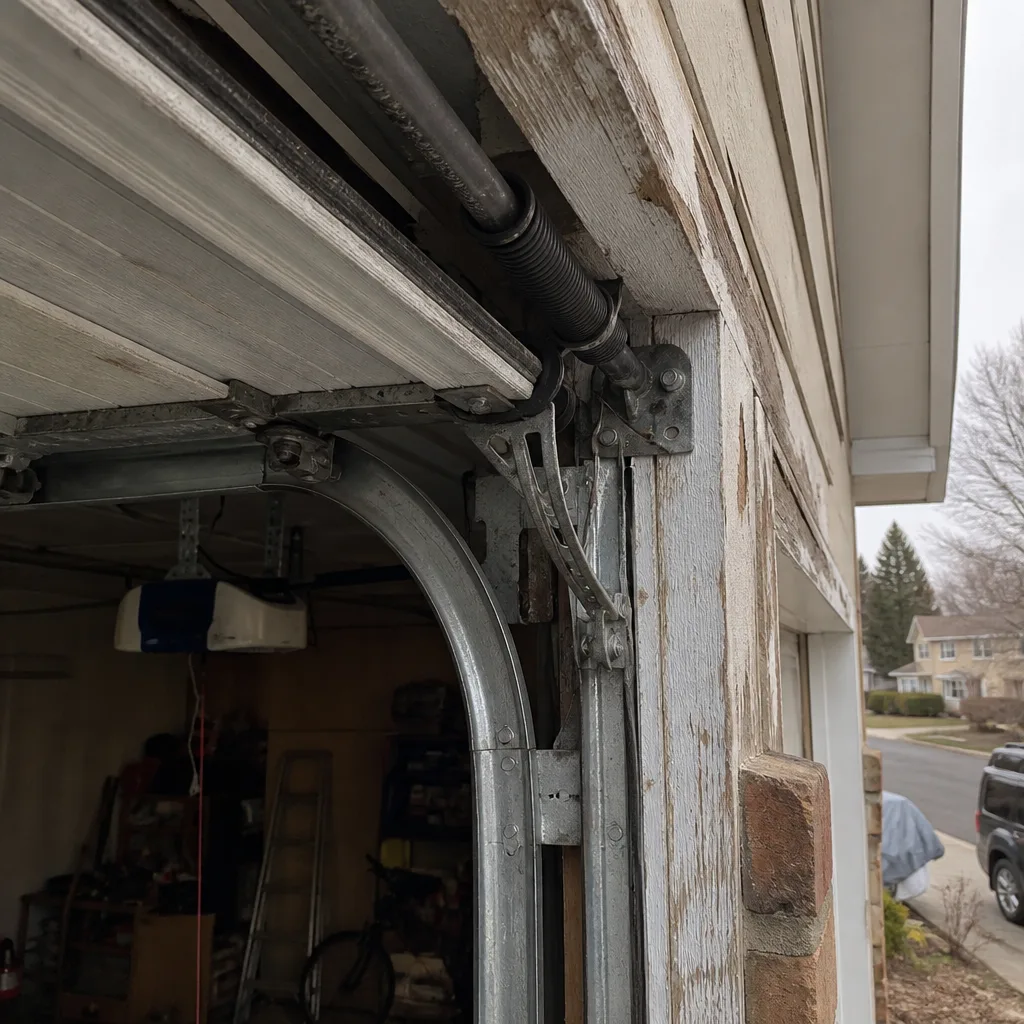 Before
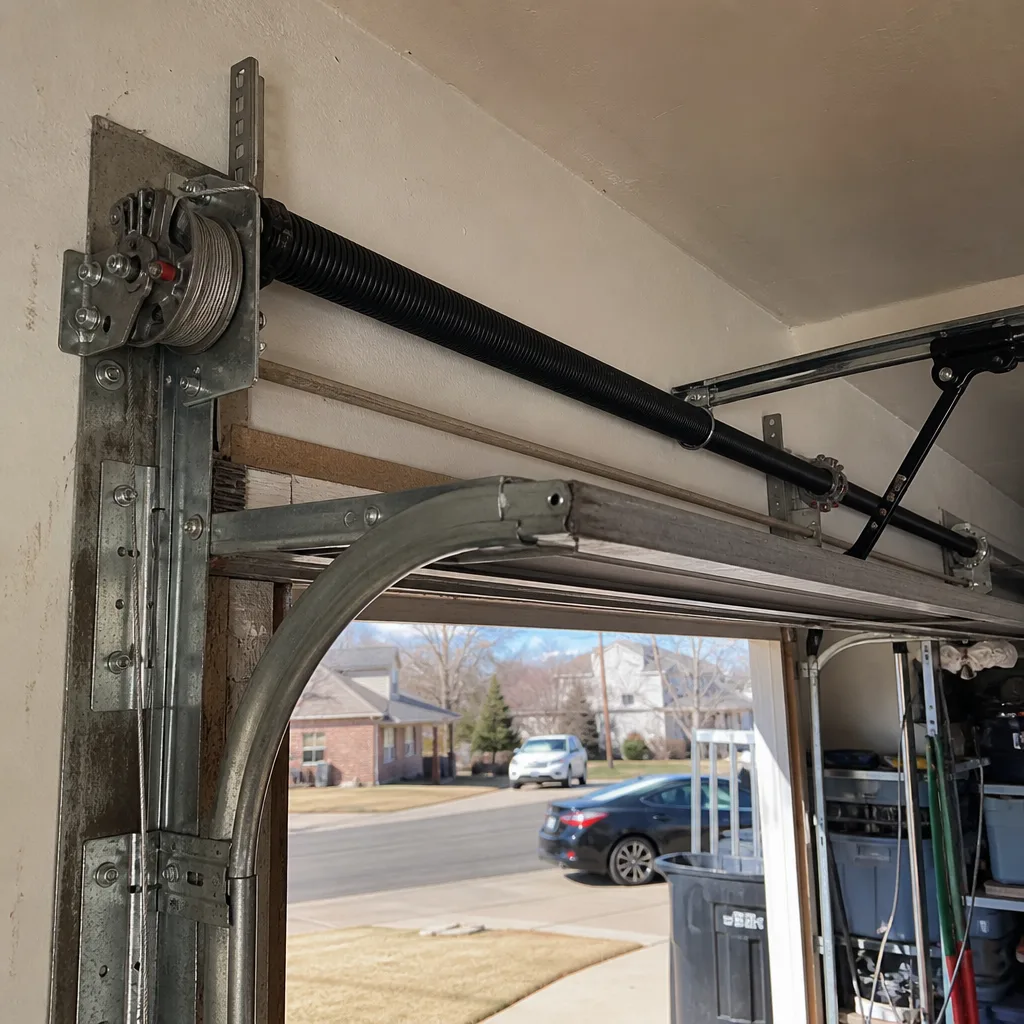 After
AfterGarage Door Permits, Codes & Inspections in CO: What You Need to Know
Replacing a garage door panel is almost never a permit event in Colorado. Replacing the entire door and frame assembly in a load-bearing opening often is, and contractors who tell you otherwise are either wrong or hoping you don’t ask. The divide comes down to whether the work alters the structure of the opening, not what the job costs. A $4,000 door swap might need nothing from the city, while a $900 header repair alongside that same door might need full plan review. This guide covers how Thornton and Adams County actually apply those rules, what inspectors look at, and how to check whether the previous owner pulled permits before you inherited the door. For Garage Door Warning Signs: A Thornton Homeowner’s Reference Guide, see our companion post.
Quick Answer
In Colorado, and specifically in Thornton, a garage door permit is required when the work changes the structural frame of the opening: removing or replacing the header, jambs, or sill, or widening the opening itself. Swapping a door, track, springs, or opener inside an unchanged opening generally does not require a permit. When a permit is triggered, Thornton’s Building Inspection Division reviews the scope, charges a fee based on the job’s valuation, and sends an inspector to verify the work before it is closed out.
Table of Contents
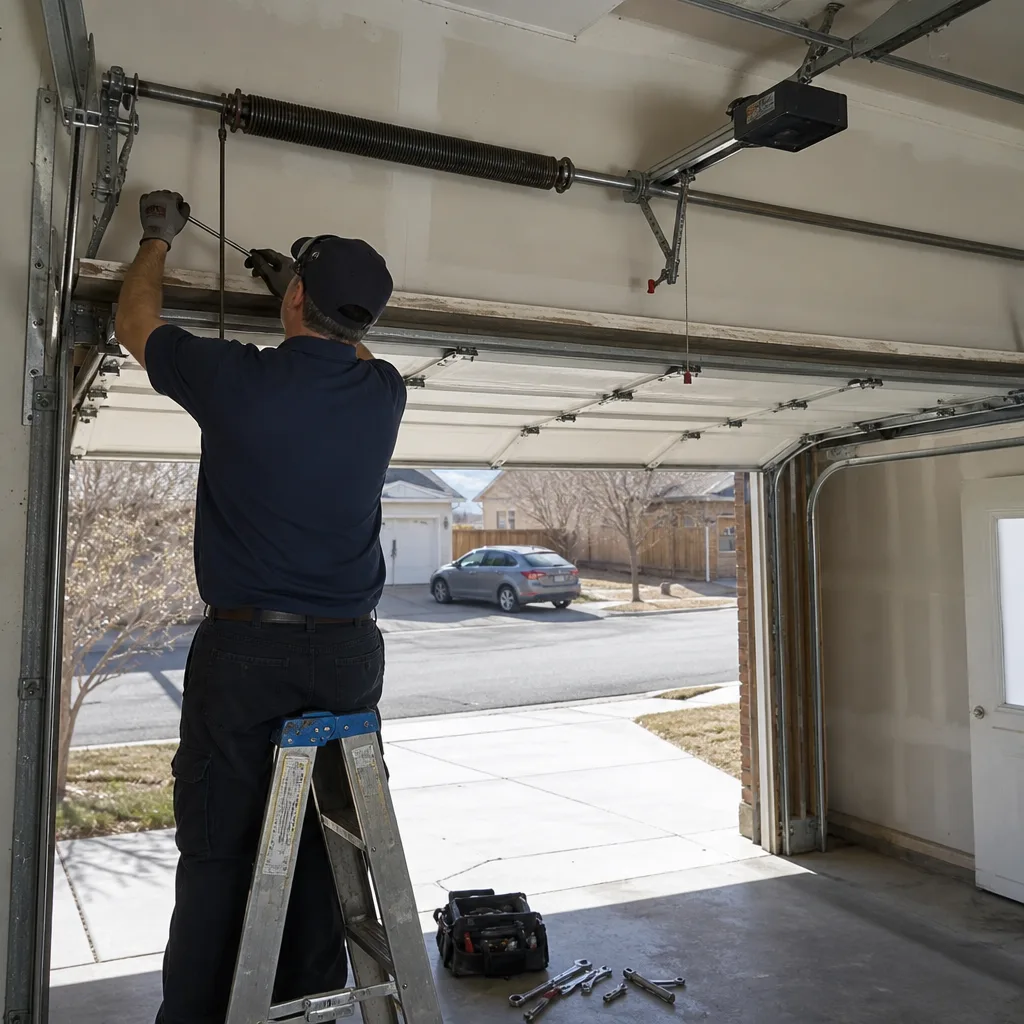
- What Actually Triggers a Garage Door Permit in Colorado
- Thornton and Adams County: Permit Office, Fees, Timelines
- The Code Requirements Behind a Permitted Garage Door Installation
- What Inspectors Check on a Garage Door Permit
- What Happens With an Unpermitted Door Replacement: Insurance and Resale
- How to Check If a Previous Owner’s Door Work Was Permitted
- Common Mistakes to Avoid
- When to Call a Professional
- Frequently Asked Questions
- The Bottom Line
BeforeAfterWhat Actually Triggers a Garage Door Permit in Colorado
Colorado residential building code draws the permit line at structural modification. The garage door opening is a framed structural assembly: a header carries the load above the opening, king studs and jack studs transfer that load down either side, and the sill plate anchors everything to the foundation. If your project leaves that frame untouched, you are doing what codes call a “like-for-like replacement,” and no permit is required. If the frame changes, even partially, you are into structural work and need a permit before the first board comes out.
The scope threshold works like this:
- No permit needed: replacing door panels, springs, cables, rollers, hinges, track, opener motor, or the entire door assembly when the opening’s frame is unchanged.
- Permit required: replacing or reinforcing the header, replacing rotted or cracked jambs, installing a new sill, reframing any part of the opening, or widening or heightening the opening to fit a different door size.
- Gray zone that usually needs review: adding a second door where none existed, converting a single door opening to a double, or cutting into a load-bearing wall to relocate the door. These always need structural review.
In Thornton, we see this misunderstanding constantly. A homeowner in the Hunters Glen area decides to go from a single 9-foot door to a double 16-foot door, and the contractor says no permit is needed because “it’s just a garage door.” That is structural work. The header above that opening is being resized, and the load path is changing. The city will want engineered drawings or a prescriptive code path, and the inspection will check the new header size, fastener schedule, and sheer wall connection.
The dollar value of the job is irrelevant to the trigger. A $700 header repair needs a permit. A $6,000 custom door installation in an existing opening does not. The trigger is always scope of structural change, never price. If you are unsure which side your project falls on, ask the permit office directly, and get the answer in writing. Contractors who say “we don’t need to bother with permits for this” are making a claim they should be able to back up with a code citation. If they cannot, that is an answer in itself.
Thornton and Adams County: Permit Office, Fees, Timelines
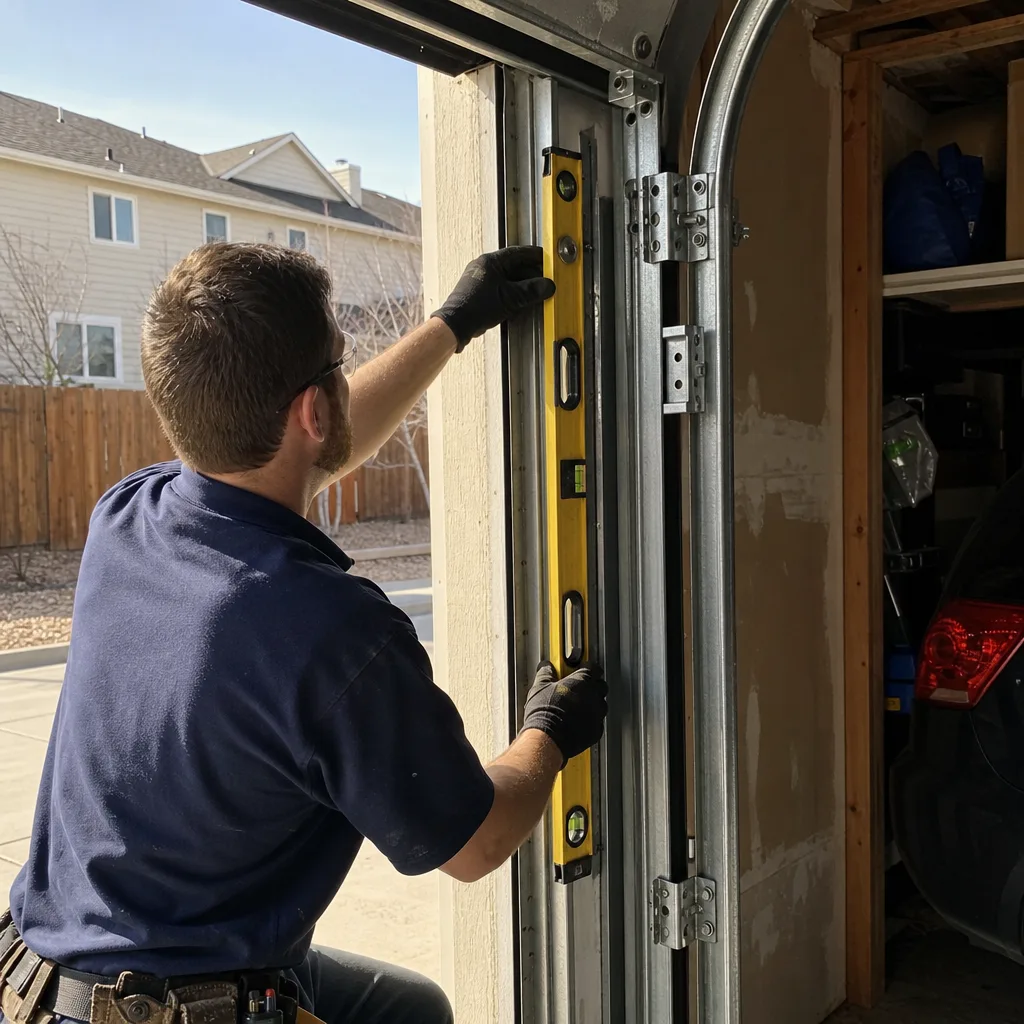
Thornton operates its own Building Inspection Division and issues permits for residential work within city limits. Adams County handles unincorporated areas and some neighboring municipalities, but if your address is within Thornton city limits, you work with the city directly. The permit process here is straightforward if the scope is documented correctly.
Here is what to expect when a permit is required for garage door work in Thornton:
- Application and scope review: You or your contractor submits a permit application describing the work, including whether any structural member is being altered. For header replacements, the city usually wants the proposed header size and span.
- Fee calculation: Thornton calculates permit fees on a valuation table. A simple header repair or frame alteration for a garage door typically lands between $75 and $250 in permit fees, depending on the declared scope. The city has a fee schedule posted online, and the phone staff at the Building Inspection Division will quote a range before you commit.
- Plan review timeline: For simple frame repairs, review is often same-day or next-day. For anything involving an engineered detail, allow 3 to 5 business days. Larger structural changes may require a stamped drawing from a Colorado-licensed engineer, which is a separate cost and typically runs $300 to $700 for a garage opening detail.
- Inspections: The city will list required inspections on the permit. For garage door structural work, you typically have one inspection after the frame work is complete but before trim or drywall covers it, and a final inspection after the door and opener are installed.
Adams County building permits work similarly for unincorporated areas. The Adams County Community & Economic Development Department in Brighton issues the permits, and their fee schedule is similar in structure to Thornton’s. If you are on the edge of Thornton and are not sure which jurisdiction you fall under, the permit office will tell you from your address. The question matters because filing with the wrong jurisdiction wastes a week or more.
For a documented, permit-ready installation, we at Garage Door Installation in Thornton always verify the permit trigger in writing before work starts. It is part of how we keep the scope honest: the customer sees the code requirement in the written scope, not as a surprise on site.
The Code Requirements Behind a Permitted Garage Door Installation
When a permit is required, the work has to meet the adopted building code. Colorado uses a version of the International Residential Code for one- and two-family dwellings, and the garage door sections draw from Chapter 3 of the IRC plus the manufacturer’s installation requirements.
The specific code requirements for a permitted garage door installation cover:
- Header sizing: The header over a garage door opening must be sized for the span and the load above it. For a typical 16-foot double door in a single-story home, that is usually a 4×12 or engineered equivalent. The inspector checks the header size against the span table, not against what was there before.
- Fastener schedule: The connections between header, king studs, and jack studs must use the nail or screw pattern the code specifies. Undersized fasteners or too few of them are an automatic correction notice.
- Fire separation: In an attached garage, the wall between the garage and living space needs a fire-rated assembly. The door opening itself does not change that rating, but any work that penetrates or alters the garage-to-house wall during the opening modification may trigger a fire-blocking review.
- Egress and clearance: The door, once installed, must not obstruct required egress paths or create a headroom clearance issue inside the garage. The code minimum for garage door clearances is set by the manufacturer, and a permitted installation is verified against those specs.
- Wind load: Colorado’s front-range wind zones mean garage doors in Thornton need to meet the manufacturer’s wind-load rating for the door’s size. Inspectors look for the door’s rating label during the final inspection.
Inspectors here are not draconian, but they are specific. They carry span tables and check the actual lumber against them. If the contractor installed a 4×8 header where the table calls for a 4×12, the inspection fails and the work has to come out. That is why the paper trail matters. A written scope that names the header size, species, and grade before work starts is the difference between a clean inspection and a correction notice taped to your door.
What Inspectors Check on a Garage Door Permit
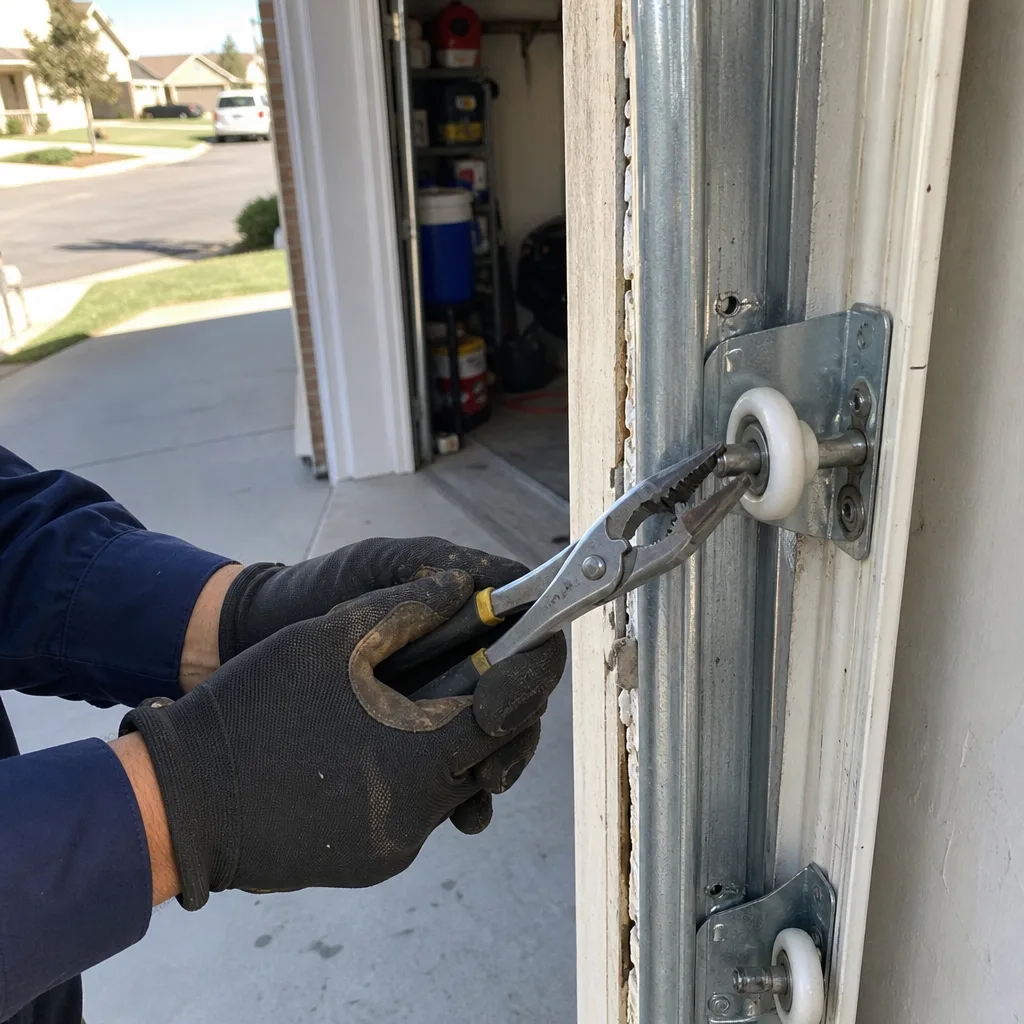
The pass/fail criteria on a permitted garage door job are not mysterious. An Adams County or Thornton inspector is working from a checklist, and most of it is visible to the homeowner who knows what to look at. Here is what the inspector is actually verifying, in plain terms:
- Structural member sizes match the permitted scope. The header, jack studs, and king studs are measured and compared to the plan or the prescriptive table. This is the most common failure point.
- Connections are complete and correctly fastened. The inspector looks for the right fastener type and spacing at every joint. Toenails, screws where nails are specified, or gaps at the header-to-stud connection all fail.
- Door operation and balance. The door must open and close smoothly, and when the opener is disconnected, a properly sprung door should hold its position. A door that slams or drifts fails on safety grounds.
- Safety systems on the opener. The photoelectric sensors at the base of the track must reverse the door, and the force settings must be adjusted so the door reverses on contact with a 2×4 placed flat under it. This is a code requirement, not a courtesy check.
- Weather sealing and flashing. The perimeter seal and any exterior flashing must be installed in a way that directs water away from the structural wood. Rotting jambs are frequently what triggered the permit in the first place, so the inspector wants to see that the cause was addressed.
In our experience in Thornton, most failed garage door inspections fail on item one or item three. The header is undersized or the door balance is off. Both are correctable on site in most cases, but they mean a re-inspection fee and a delay. A contractor who photographs the framing before it is covered is giving you the evidence to know whether the inspection will pass before the inspector shows up. That is exactly the record we provide on every permitted installation we do in Thornton, because the customer should see the header size and fastener pattern in the photo record, not take anyone’s word on it.
What Happens With an Unpermitted Door Replacement: Insurance and Resale
An unpermitted structural garage door alteration has real consequences beyond a scolding from the city. The two that homeowners care about most are insurance and resale disclosure, and both deserve a straight answer.
Insurance claims. If the unpermitted work fails and causes damage, a Colorado homeowner’s insurer can deny the claim on the basis that the work was not permitted and inspected as required by local code. This is not theoretical. We have seen a denied claim in Adams County where a header was replaced without a permit, the header deflected after a heavy snow load, and the door frame pulled away from the wall. The insurer’s position was that the work was performed outside the code enforcement system, and the claim was denied. The homeowner paid for the repair out of pocket, and the repair required a permit.
Resale disclosure. Colorado’s real estate disclosure form includes a specific question about whether any work was performed without required permits. Lying on that form is fraud, and saying “I don’t know” when the work is visible invites the buyer’s inspector to dig deeper. A garage door replacement with structural frame work that was never permitted becomes a negotiation point at closing: the buyer asks for the permits, the seller cannot produce them, and the deal either renegotiates or dies. In a tight Thornton market, that is leverage no seller wants to hand over.
The fix, if you already own a home with unpermitted structural door work, is to have the work reviewed and permitted after the fact. Adams County and Thornton both have processes for after-the-fact permits, and they involve opening the covered work back up for inspection. It costs money and it is inconvenient, but it resolves the disclosure and insurance exposure. If you suspect the work was unpermitted, do not wait until you are under contract to sell. The time to resolve it is now.
How to Check If a Previous Owner’s Door Work Was Permitted
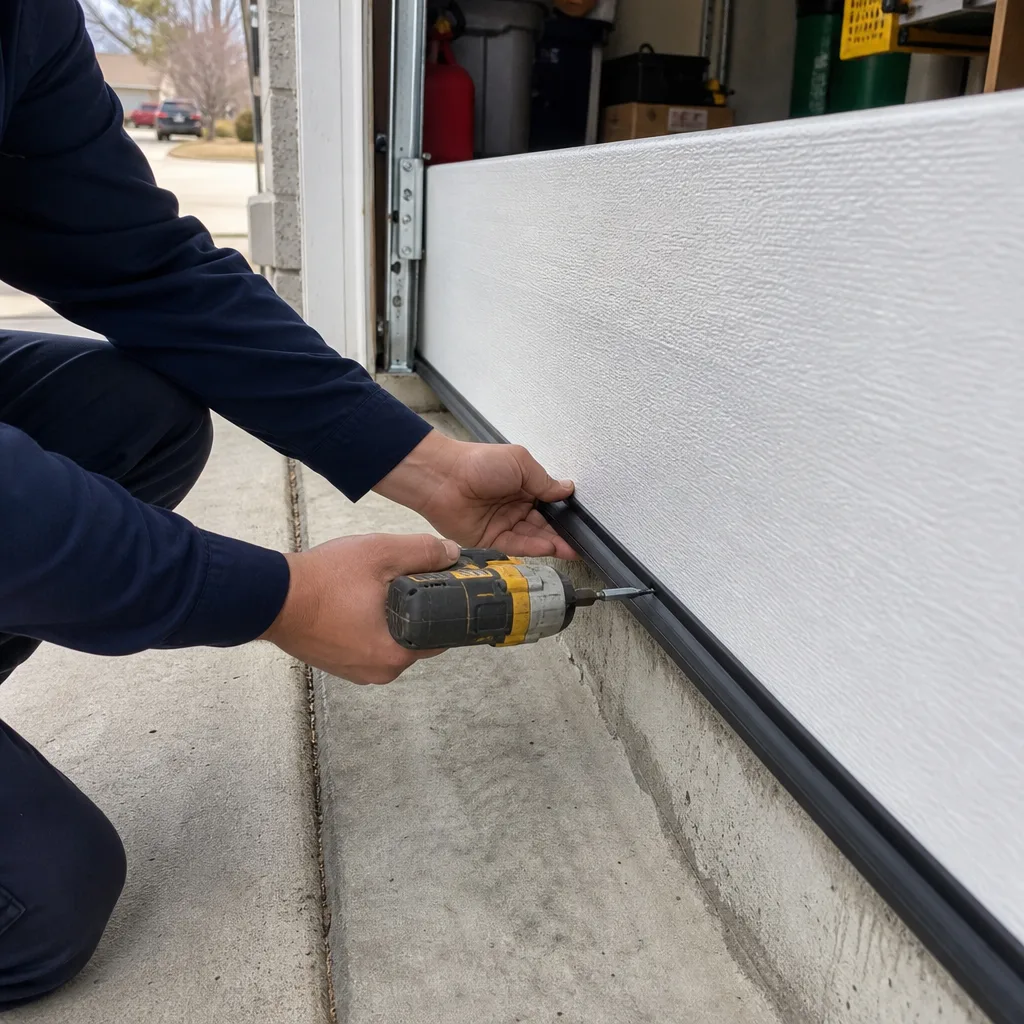
Adams County maintains public online records for building permits, and the search is free. If the previous owner of your Thornton home replaced the garage door and did structural work, the permit will be in the system. If it is not, you either did not have structural work done, or the work was unpermitted. Here is the step-by-step process we recommend to homeowners who want to know what they are inheriting:
- Find your property’s specific address and confirm which jurisdiction issued permits. If the home is inside Thornton city limits, search the Thornton building permit portal. If unincorporated Adams County, search the county’s portal.
- Search by address, not by name. Permits attach to the property, and searching by the previous owner’s name misses anything filed under a contractor’s name or a different spelling.
- Look for permits dated around any obvious improvement. If the garage door was clearly replaced at some point, and there is no permit from that period, the work was either non-structural (no permit needed) or unpermitted (a problem).
- If the search is inconclusive, call the permit office. The staff can run the address and tell you what exists in their system. Be polite, have the address ready, and ask whether there is any record of structural work on the garage opening.
- If nothing exists and you see signs of structural work, such as a newer header visible from inside the garage or fresh framing lumber behind the trim, consider an after-the-fact review. The permit office will tell you what that requires.
This is the documentation-first approach we use on every Garage Door Repair in Thornton job. When we open a wall or a header and find something that does not match what the permit record shows, we photograph it and put it in the written scope. The customer sees the evidence before anyone quotes a replacement. That is Clause 4 of The Haven Standard in practice: the failed part, the non-conforming frame, the missing permit, all documented before any work is authorized.
Common Mistakes to Avoid
- Assuming a big price tag means a permit is needed. A $12,000 custom door in an untouched opening needs no permit. A $500 header repair does. Price has nothing to do with the trigger.
- Letting a contractor decide the permit question without showing you the code. The contractor should be able to point to the code section that says work is exempt. If the answer is “we never pull permits for garage doors,” that is a position, not a citation.
- Covering the framing before the inspection. If the inspector cannot see the header and fasteners, the work gets covered and the inspection fails. Drywall and trim go on after the structural inspection, never before.
- Skipping the permit on a door size change. Widening a single opening to a double or adding a second door is structural work, full stop. In Thornton, this requires plan review and an inspection, and trying to do it quietly is a disclosure problem waiting to happen.
- Not keeping the permit record for resale. When you sell, the buyer’s agent will ask for permits on structural work. Keep the paperwork with the house file. If the permit was closed, the record is retrievable online, but having it in hand is better.
- Paying a contractor to do unpermitted structural work and then paying again to have it redone with a permit. We see this in Thornton: the cheap quote without permits becomes the expensive repair after the insurance claim or the failed sale. The permit is the cheaper path every time.
When to Call a Professional
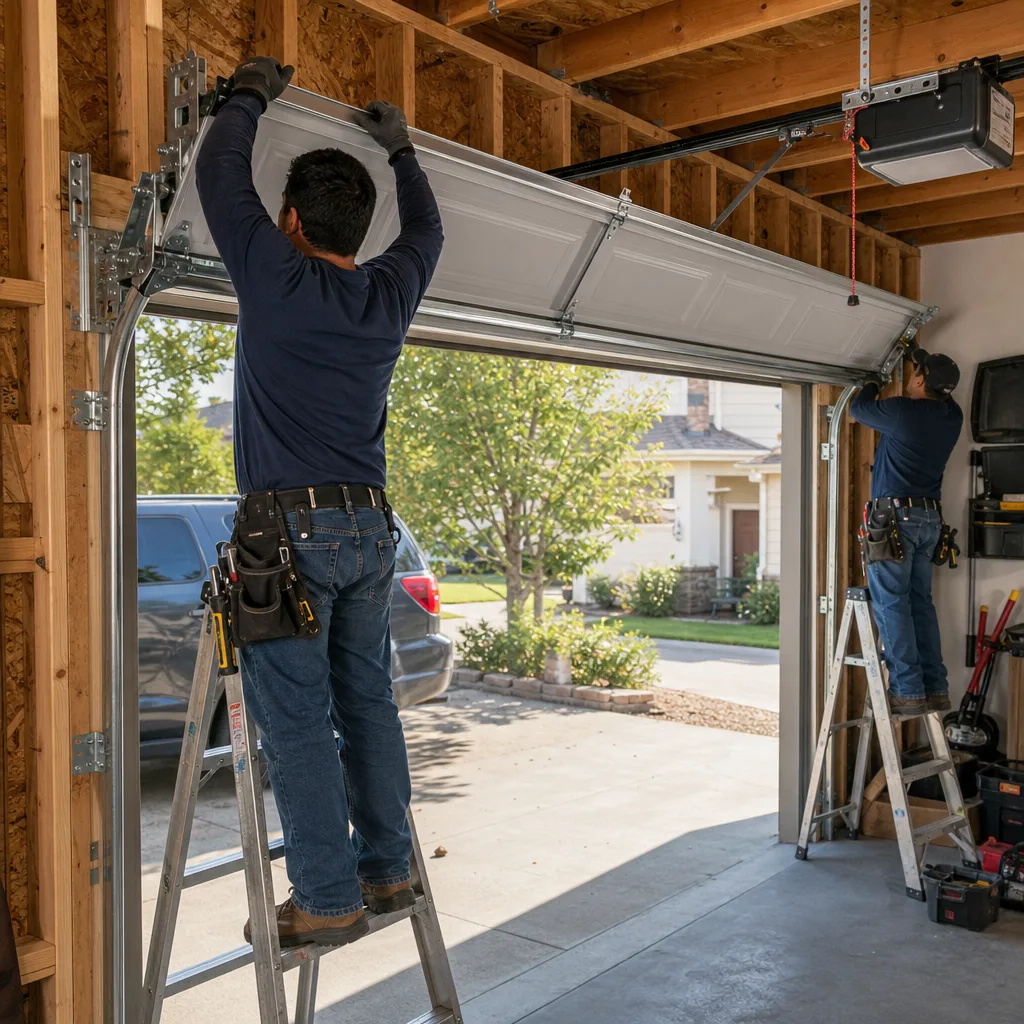
A garage door permit question becomes a professional question the moment the answer affects the structure of your home. If the header is being replaced, the opening is changing size, or you have discovered the previous owner’s work was never permitted, you need someone who can document the scope, file the permit, and stand behind the inspection. You also need someone who can tell you the code answer without hedging. Servo Garage Doors Thornton offers free estimates in Thornton and will put the permit determination in writing before any work starts. If you are still choosing a company, read our How to Hire a Garage Door Contractor in Thornton: A Step-by-Step Guide first. Call (720) 575-1024 and get the scope documented, whether that means a permit application or a code letter saying none is required.
Frequently Asked Questions
No permit is required if the door is replaced within the existing opening without altering the header, jambs, or sill. A permit is required if any part of the opening’s structural frame is changed. The dividing line is structural modification, not the cost or the type of door.
A typical garage door structural permit in Thornton runs between $75 and $250 depending on the declared scope, with additional plan review fees if engineered drawings are required. The exact amount comes from the city’s valuation table, and the Building Inspection Division will quote the range over the phone before you file.
Simple frame repairs are usually approved same-day or next-day. Anything requiring a stamped engineer’s drawing typically takes 3 to 5 business days for the review plus whatever time the engineer needs to produce the drawing. Plan around a week for anything beyond a basic header swap.
You must disclose it on Colorado’s seller disclosure form, and the buyer’s inspector or agent will likely require the permit record before closing. Unpermitted structural work becomes a negotiation point and frequently kills or renegotiates the deal. An after-the-fact permit resolves the issue permanently.
Yes. If the unpermitted structural work fails and causes damage, the insurer can deny the claim on the basis that the work was performed outside the code and inspection system. We have seen this happen in Adams County, and the homeowner paid for a permitted repair out of pocket.
No. A garage door opener installation, including the motor, rail, sensors, and wall control, is a like-for-like component swap and does not require a permit in Thornton. The opener’s safety systems are still subject to code requirements, but no permit filing or inspection is triggered by the opener itself. For Garage Door Opener Repair & Installation in Thornton, the relevant code is the manufacturer’s installation standard, not the city’s structural permit process.
The Bottom Line
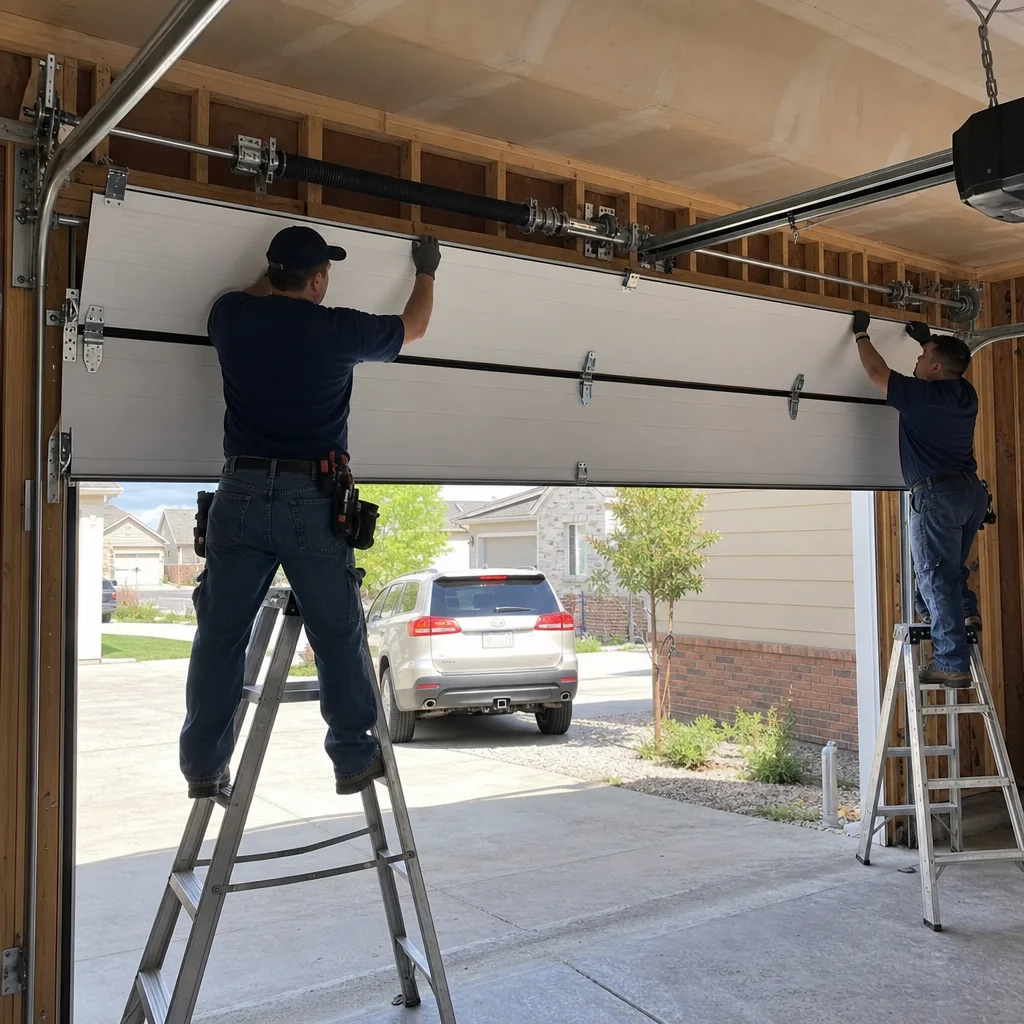
Colorado’s garage door permit trigger is structural change to the opening, not the price of the door or the size of the job. If the header, jambs, or sill stay put, you do not need a permit. If they change, you do. Thornton and Adams County both have clear processes, reasonable fees, and public records that let you verify what was done before you owned the home. The homeowner who understands this threshold makes better decisions about contractors, insurance, and resale. The homeowner who ignores it inherits a disclosure problem and a denial risk. Document the scope, keep the permit record, and never let a contractor wave off the question without showing you the code. Browse more guides & resources on garage door care and compliance.
If you’re in Thornton and want a straight answer on whether your door project needs a permit, call Servo Garage Doors Thornton home at (720) 575-1024. We’ll put the determination in writing before any work starts, and we’ll show you the evidence either way.
Written by Marcus Deller, Owner at Servo Garage Doors Thornton, serving Thornton since 2015.